POLITICS | 14:50
175
8 min read

Kyrgyzstan’s security chief Kamchybek Tashiev dismissed in surprise move as political landscape shifts

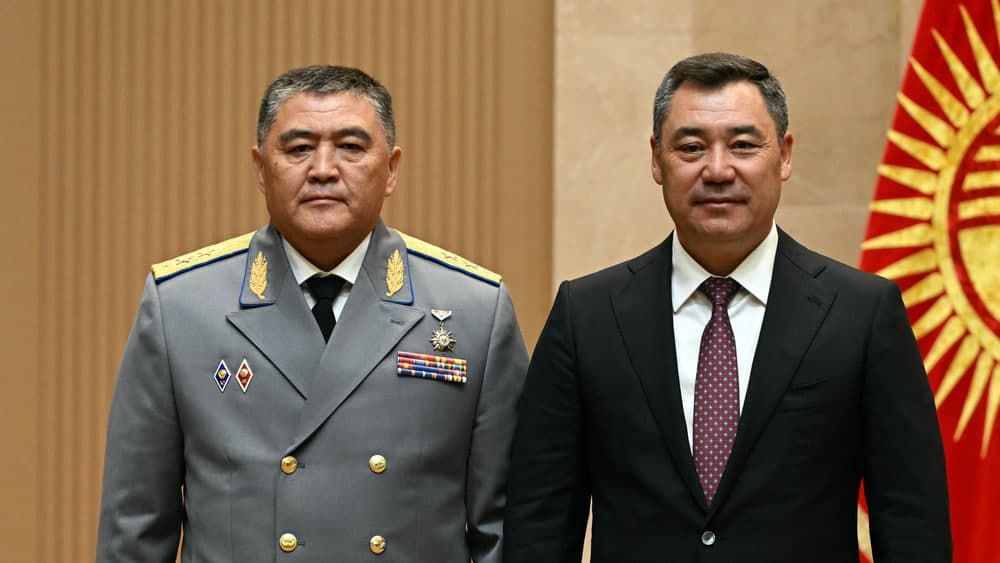
Kyrgyz President Sadyr Japarov has signed a decree terminating the powers of Kamchybek Tashiev as chairman of the State Committee for National Security (SCNS), bringing to an end the tenure of one of the country’s most influential officials and long-time political allies of the head of state.

Photo: Kamchybek Tashiev (left) and Sadyr Japarov (right)

Tashiev was relieved of his duties ahead of schedule on February 10. He also lost his position as deputy chairman of the Cabinet of Ministers. In the same decree, Japarov dismissed three of Tashiev’s deputies – Daniyel Risaliyev, Kurbonbek Avazov and Elizar Smanov – as well as Security Council Secretary Rustam Mamasadykov.

The president said the decision was taken “in the interests of the state” to prevent fragmentation within society, including among state institutions, and instead to strengthen unity. The statement was released by presidential press secretary Askat Alagozov.

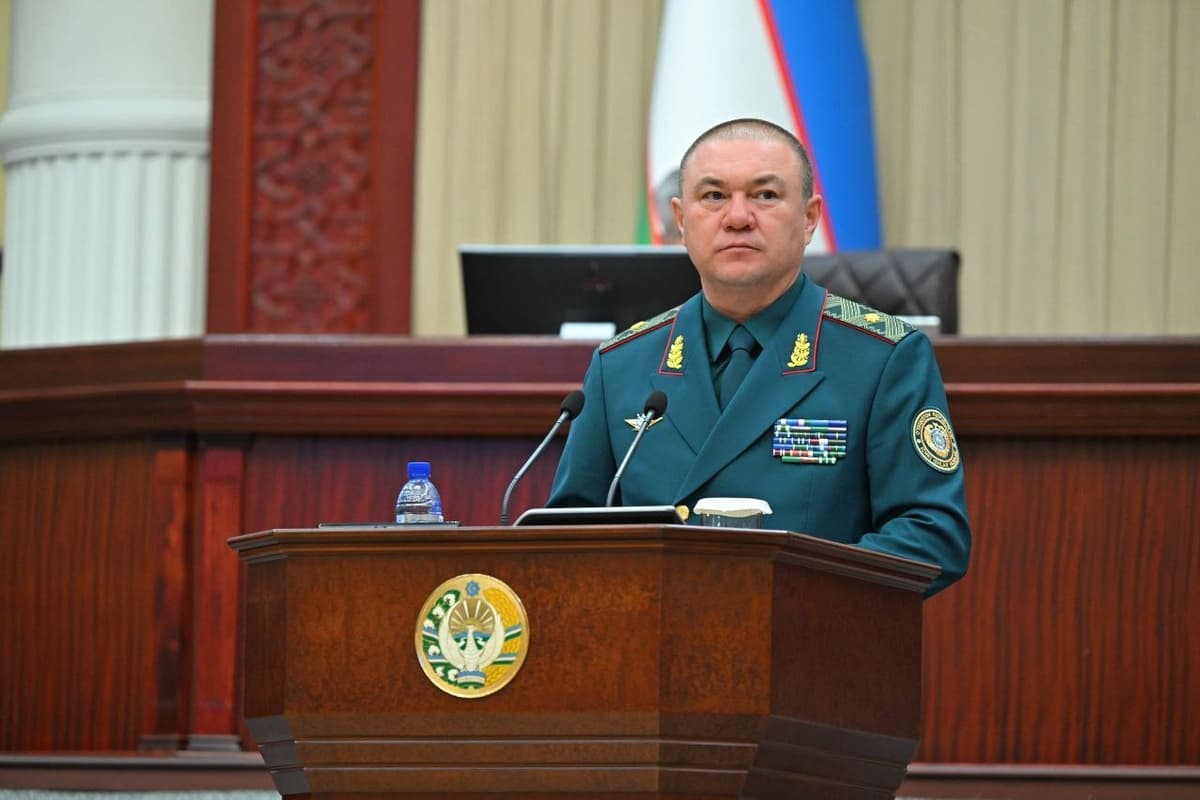
Jumgalbek Shabdanbekov, head of the State Protection Service and previously deputy chairman of the SCNS, has been appointed acting chairman of the security committee and deputy chairman of the Cabinet of Ministers. The 55-year-old has served as deputy head of the SCNS since 2020 and was awarded the rank of major general in 2022.
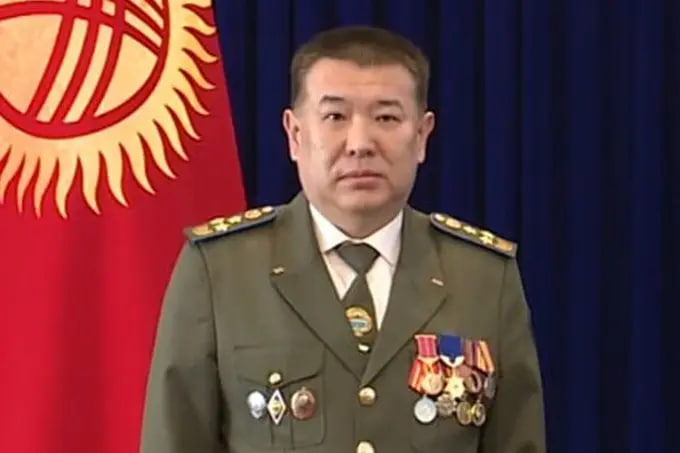
Photo: Jumgalbek Shabdanbekov

An unexpected decision”

In a statement circulated by his supporters on social media, Tashiev described his dismissal as “unexpected.” He is currently in Germany undergoing medical treatment for his heart following surgery in 2021. According to Tashiev, he had traveled abroad with the president’s permission for a medical examination and did not anticipate being removed from office.

“At any rate, the decision of the head of state must be implemented,” he said, adding that he had served the country, the people and the president honestly and was proud of his work. He expressed regret that he had not been given the opportunity to bid farewell to the personnel of the committee and thanked SCNS employees for their service. Tashiev also called on citizens to comply with the law, refrain from unlawful actions and preserve peace and stability in the country.

Following his dismissal, President Japarov signed an order introducing structural changes to the SCNS. Under the reform, the Border Service will be separated from the committee and established as an independent agency, while the committee’s Ninth Service will be transformed into the State Protection Service directly subordinate to the president.

A powerful political alliance

Tashiev, appointed head of the SCNS on October 16, 2020, has long been regarded as President Japarov’s closest political ally. Their partnership dates back to the early 2010s, when both were active in opposition politics. In October 2012, they led protests in Bishkek against the Kumtor gold mine agreement and were arrested and later convicted after attempting to storm parliament, an episode that further strengthened their personal ties.
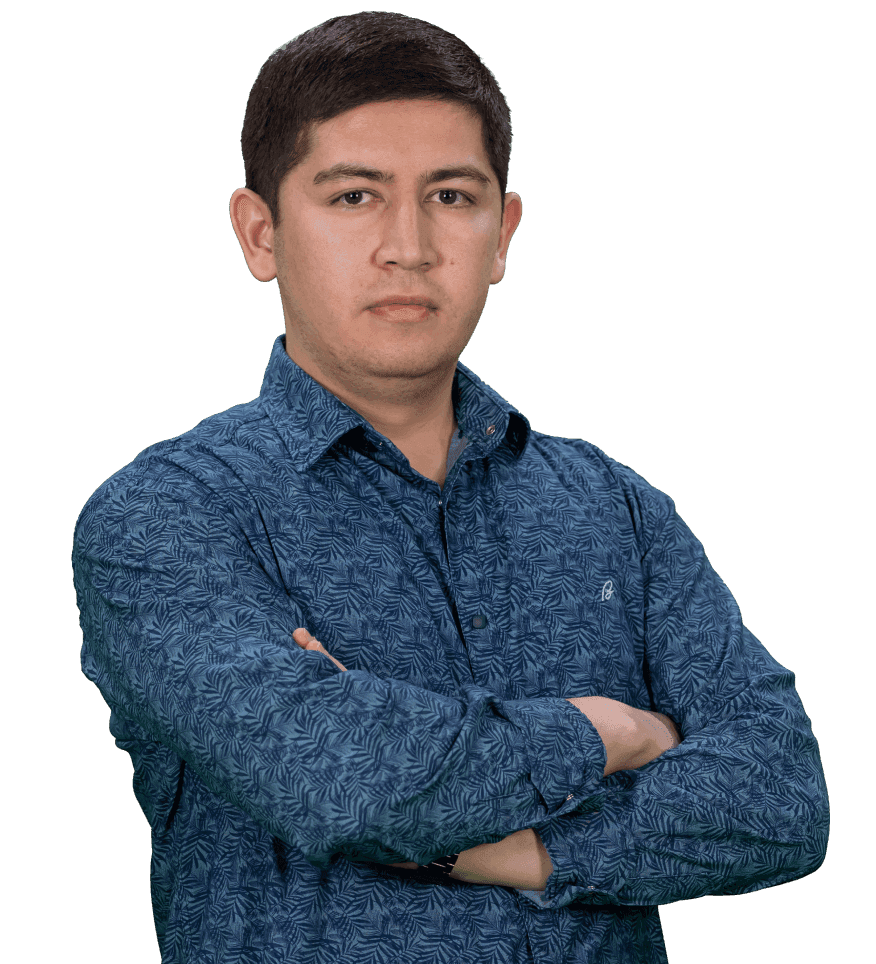
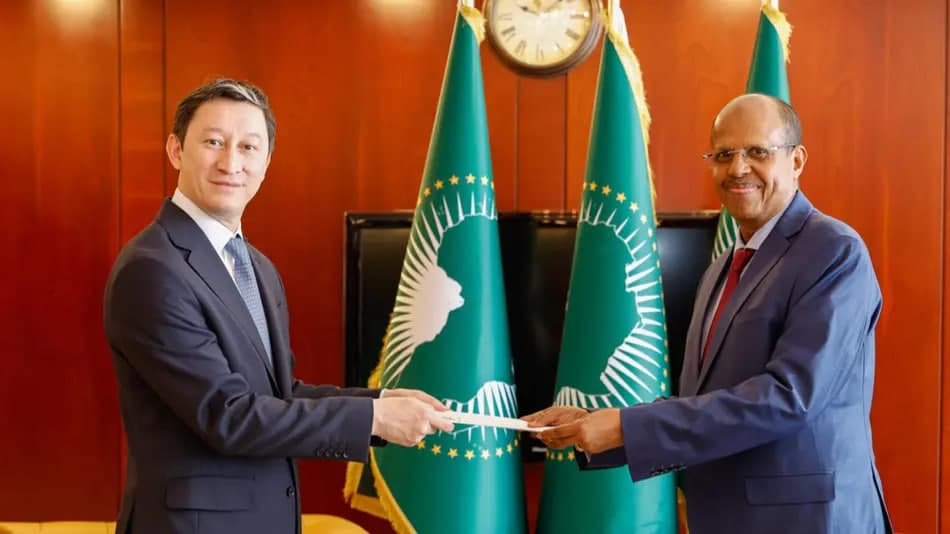
After the October 2020 protests that led to the resignation of then-President Sooronbay Jeenbekov and brought Japarov to power, Tashiev was appointed head of the security services and quickly became a central figure in the country’s security and law enforcement apparatus. Analysts frequently described Japarov and Tashiev as the country’s most powerful political duo, with Tashiev widely viewed as the second most influential person in Kyrgyzstan.

Under Japarov’s presidency, which began with a pledge to wage a decisive fight against corruption, the SCNS was granted broad powers. Tashiev’s committee launched high-profile investigations against senior officials and reported the recovery of billions of som for the state budget.

In an interview last December, Tashiev said that over a five-year campaign, the SCNS had returned 300 billion som (approximately $34 million) to the budget. He also stated that more than 1,000 real estate properties and 30,000 hectares of land had been returned to state ownership, arguing that previous privatizations had violated the law and that corrupt officials had dismantled and sold off public assets for personal gain prior to 2020.

Tashiev also played a prominent role in resolving border issues with neighboring countries, including negotiations with Uzbekistan. In a recent documentary interview, he said talks with the Uzbek side had at times been difficult and even led to a dispute with Uzbekistan’s Prime Minister Abdulla Aripov, after which the presidents of the two countries intervened and negotiations resumed.

Election backdrop and political speculation

Japarov’s presidential term runs until January 2027, with the next election scheduled for the fourth week of January next year. The president has not formally announced whether he will seek re-election, but in a recent address he expressed confidence that, if he runs, he would secure stronger support than in 2021, when he was elected with around 80% of the vote.

Public debate has intensified in recent weeks over whether early presidential elections should be held. On February 9, one day before Tashiev’s dismissal, Japarov and Parliament Speaker Nurlanbek Turgunbek uulu reportedly received a petition signed by 75 individuals, including former prime ministers, former members of parliament and public figures, calling for urgent elections this year.

The signatories argue that Japarov was elected under the old Constitution in 2021, while the new Constitution adopted in April 2021 sets a five-year presidential term. However, the law on the Constitution, which entered into force on May 5, 2021, stipulates that the president elected for six years in 2021 continues to exercise his powers in accordance with the new Constitution and that this term counts as his first.

Public opinion is divided: some advocate early elections as a way out of legal ambiguities, while others insist that the current six-year term should run its course.

Against this backdrop, Tashiev’s resignation has fueled speculation about possible presidential ambitions. Although he has repeatedly stated that he does not intend to run and would support Japarov, rumors of his potential candidacy had circulated in political circles.

According to a survey by the International Republican Institute, Tashiev’s approval rating in recent years rose from 14% to 22%, while public trust in President Japarov has remained relatively stable at around 35–38%.

Дониёр Тухсинов
Prepared by Дониёр Тухсинов

Related News