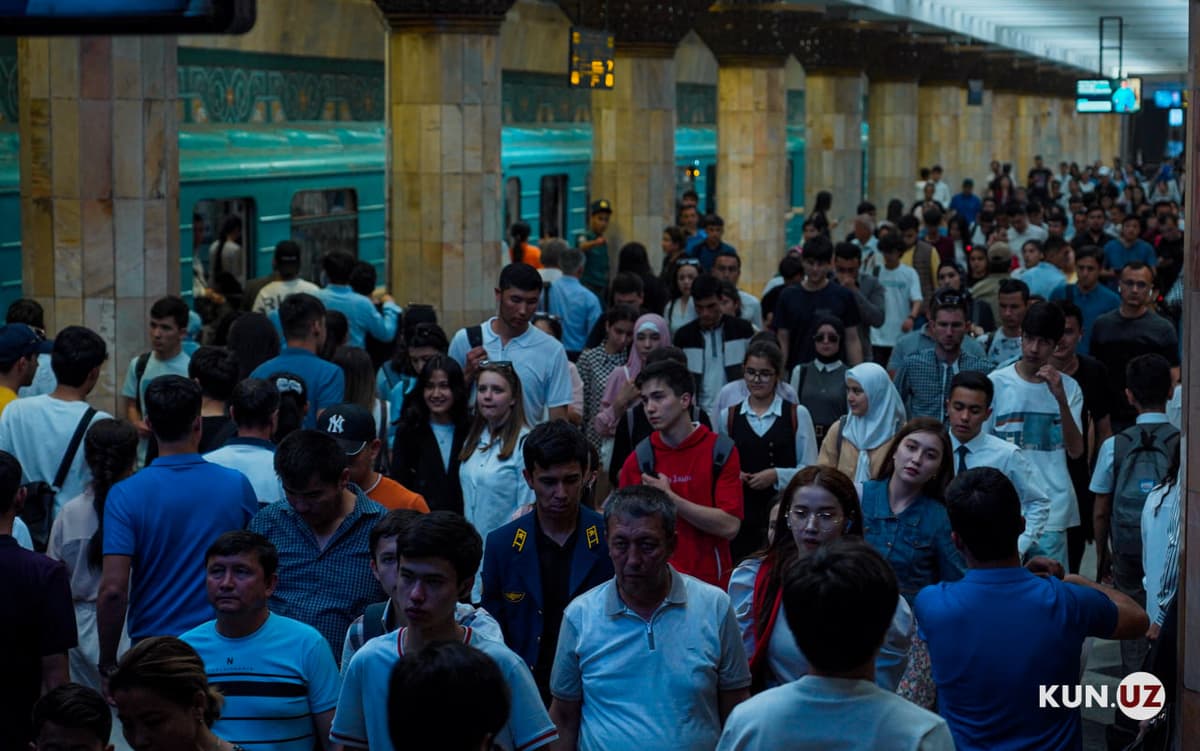
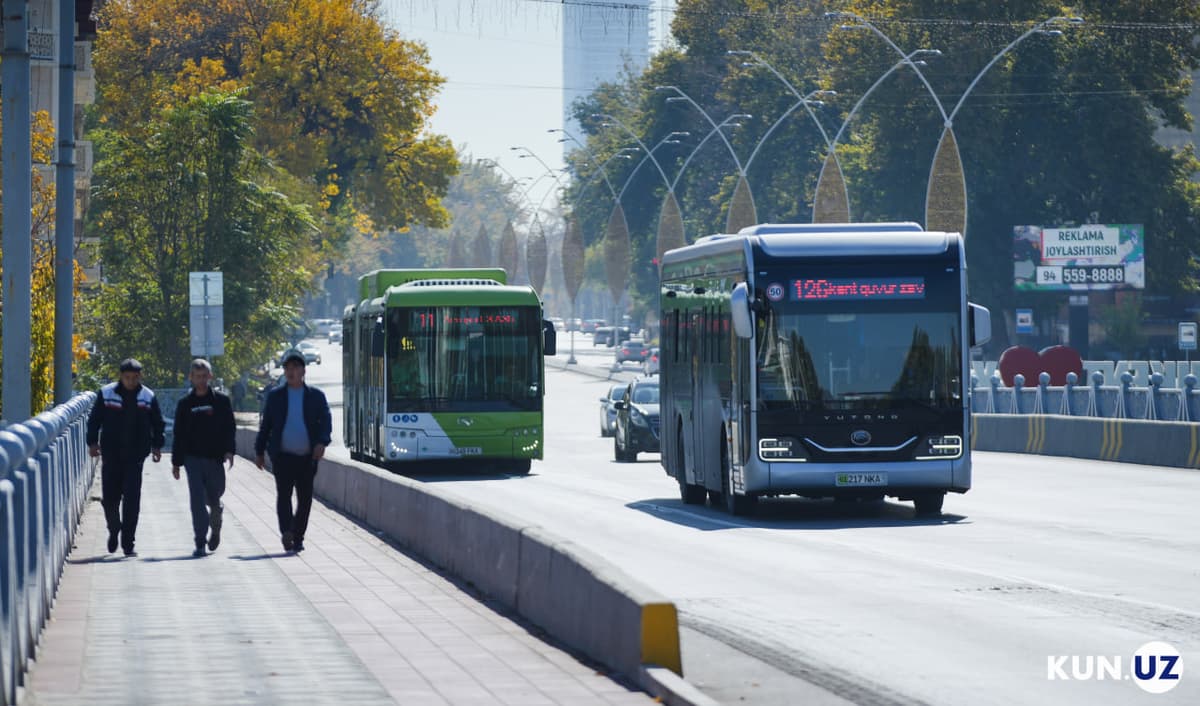
According to Alimardon Abdullayev, Deputy Director of the Center for Monitoring and Control of Passenger Transport in Tashkent, total revenue reached UZS 644 billion in 2025. This represents a 16.2% increase over the UZS 554.4 billion recorded in 2024.
Operational efficiency and rising ridership
The growth in revenue is largely attributed to improved service frequency and a surge in passenger volume. Key operational highlights mentioned by Abdullayev include:
- Wait times: The average interval between buses has been slashed by half, dropping to 8-10 minutes from the previous 18-20 minutes.
- Daily ridership: The daily passenger flow has more than doubled, rising from approximately 650,000 to 1.4 million people.
- Annual totals: In 2025, buses transported 412.4 million passengers – an increase of 85.7 million (26.2%) compared to 2024.
Payment systems and enforcement
Since January 1, 2025, Tashkent has moved away from traditional onboard cash payments. Passengers now use bank cards, mobile applications, or transport cards. While electronic payments cost UZS 1,700, those wishing to use cash must purchase single-use QR-code tickets at specialized info-kiosks for UZS 3,000.
With the transition to automated systems, inspection efforts have intensified. Firdavs Khayriddinov, head of the Transport Control Inspectorate's information service, reported that during the early period of 2026, inspectors identified over 18.6 thousand instances of fare evasion. Administrative measures and preventive discussions are being conducted to ensure compliance.
Expansion plans for 2026
The capital's transport infrastructure is set for further expansion throughout 2026. Authorities aim to increase the total fleet to 2,891 units by the end of the year.
- New fleet: 1,200 electric buses and various capacity vehicles are scheduled for delivery.
- Gross-cost contracts: These vehicles will operate across 48 routes under a gross-contract model.