The denial follows a report published by Politico on June 1, which cited three European diplomats. The report indicated that a coalition of EU member states is proposing to set up offshore “return hubs” in 8-10 non-EU countries to process and deport migrants whose asylum applications have been rejected. According to one of the publication's sources, Uzbekistan and Kazakhstan were identified as potential third-country partners for these deportation mechanisms.
The initiative to establish these external hubs is reportedly being driven by a core group of EU nations, including the Netherlands, Austria, Denmark, Germany, and Greece. Proponents of the plan argue that it offers a mutually beneficial arrangement, suggesting that partner nations could receive development aid or visa liberalization incentives in exchange for hosting the facilities. The report noted that EU states have been hesitant to publicly name potential partner countries due to ongoing legal controversies surrounding similar externalized migration arrangements, such as the UK–Rwanda asylum scheme and the bilateral agreement between Italy and Albania.
European diplomats, speaking on the condition of anonymity, indicated that the EU aims to solidify a concrete framework for the project by the end of the year, provided at least one third-country partner agrees to formal negotiations. Timeline adjustments for the centers are expected to be discussed at an upcoming EU meeting. While France and Germany are reportedly pressing for the immediate implementation of the return hubs, several other member states have requested transitional periods to align their national legal frameworks with the new regulations. Immediate enforcement is also being championed by the European Parliament.
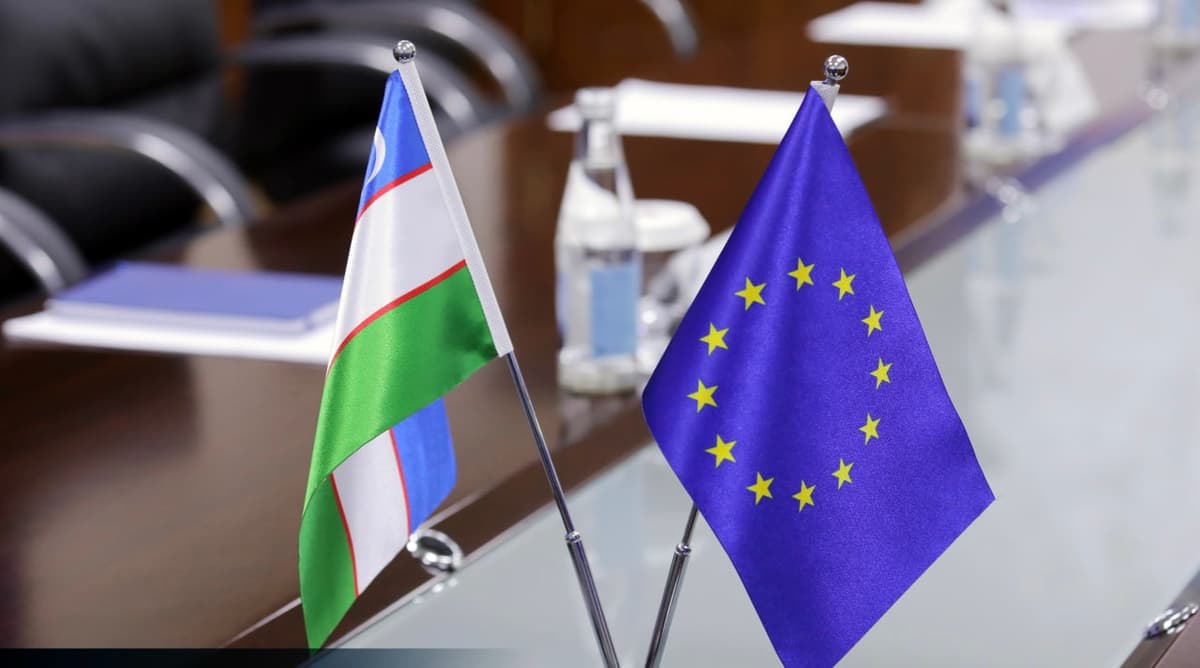
Despite these internal European discussions, authorities in Central Asia have moved quickly to distance themselves from the project. Omonulla Fayziev, spokesperson for the Ministry of Foreign Affairs of Uzbekistan, stated that the matter is not grounded in fact. Echoing this stance, the EU Delegation to Uzbekistan also confirmed that the establishment of such centers is not a subject of discussion between Brussels and Tashkent.
In neighboring Kazakhstan, the Ministry of Foreign Affairs issued a similar rebuttal. Yerlan Zhetybayev, chairman of the ministry’s International Information Committee, stated that Kazakh diplomats have not engaged in any talks of this nature. Zhetybayev emphasized that ongoing negotiations with the EU are focused strictly on simplifying visa requirements for Kazakh citizens, alongside standard readmission obligations for citizens who leave Kazakhstan illegally.