The proposed legislation was designed to define the official legal status of the center, outline its operational frameworks, establish its governance structures, and lay down its institutional framework. Additionally, the bill included mechanisms for investor protection and regulatory stability guarantees. To attract global players, the framework offered participants streamlined foreign currency settlement processes, simplified recruitment pipelines for international specialists, and relaxed visa protocols.
However, during parliamentary deliberations, senators raised critical objections to several sections of the document. The upper house specifically highlighted the need to overhaul the criteria for appointing judges to the Tashkent International Commercial Court and requested a clearer definition of the court's judicial boundaries. Furthermore, lawmakers determined that clauses governing international arbitration cases, administrative disputes, and constitutional commentary required deeper legal refinement.
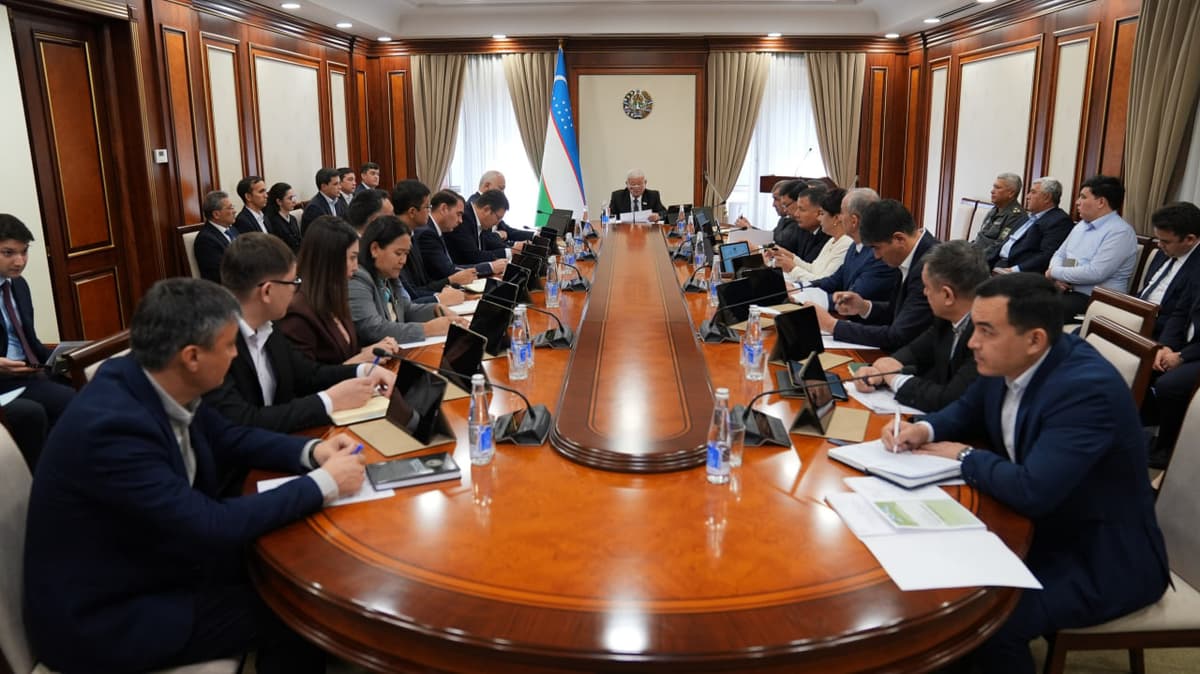
According to the Senate, addressing these structural loopholes is vital to building an internationally competitive financial ecosystem and ensuring robust legal protection for foreign capital. Following the vote, the Senate passed a resolution to form a joint conciliation committee comprising senators, legislative chamber deputies, and state agency officials to resolve the disputed points.
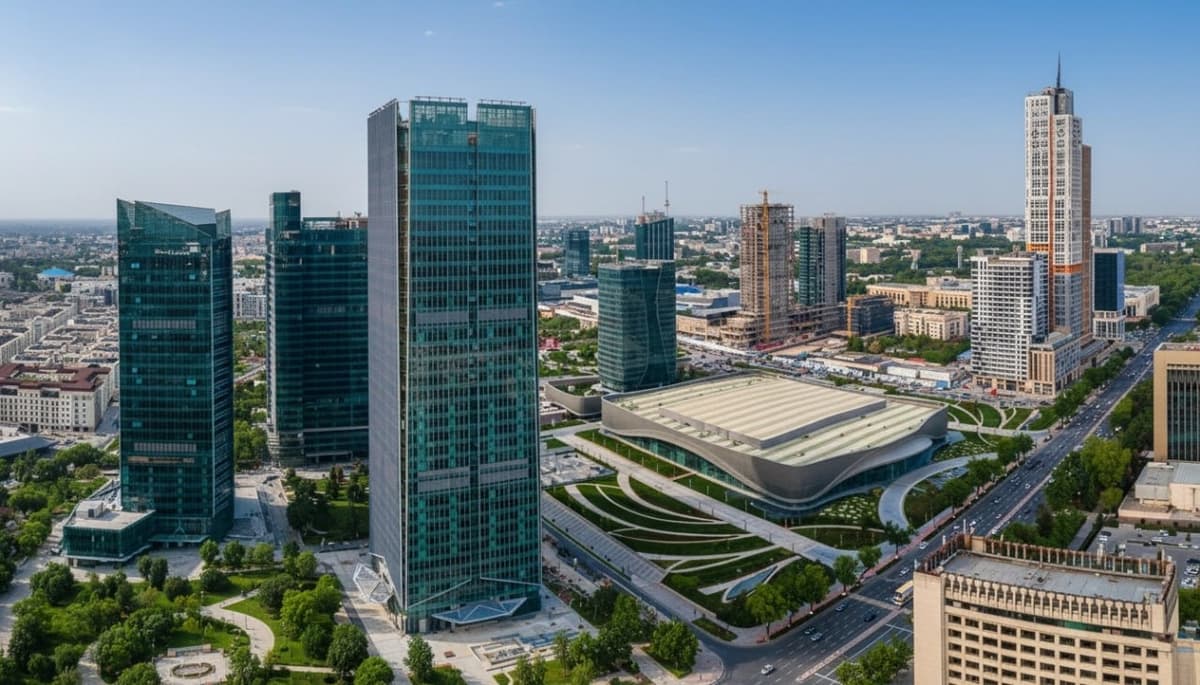
The legislative push follows a presidential decree issued in late March, which allocated land within the Tashkent City complex – bounded by Islam Karimov Avenue, Yangi Toshkent Passage, and Ukchi Street – to host the physical center. On 2 June, the Legislative Chamber had passed the bill in its second and third readings alongside a companion piece governing the Enterprise Uzbekistan digital technologies hub.
The four strategic pillars
The overarching operational strategy of the Tashkent International Financial Center focuses on four main vectors: investment attraction, capital market advancement, financial services expansion, and the cultivation of an innovation ecosystem.
In terms of investment, the initiative aims to build a transparent and competitive institutional environment that lowers entry barriers for contemporary financial enterprises. The capital markets division is tasked with connecting domestic trading platforms directly to global exchanges while accelerating security trading volumes.
For financial services, the roadmap prioritizes modernizing traditional banking, insurance, Islamic finance, fintech, e-commerce, and digital asset markets. Finally, the center plans to integrate international regulatory practices into a unified auditing, legal, and consulting ecosystem with the support of global financial institutions.