The comprehensive ranking was compiled based on an analysis of more than 200 indicators and over 5 million data points. Objective statistical data accounted for 80% of the overall score, while the remaining 20% was derived from a survey of 24,000 residents, spanning an evaluation period of up to 10 years.
The study assessed cities across five core dimensions: speed of change, economic opportunities, quality of the urban environment, social capital, and interaction with authorities. A list of the top 20 cities was generated for each category.
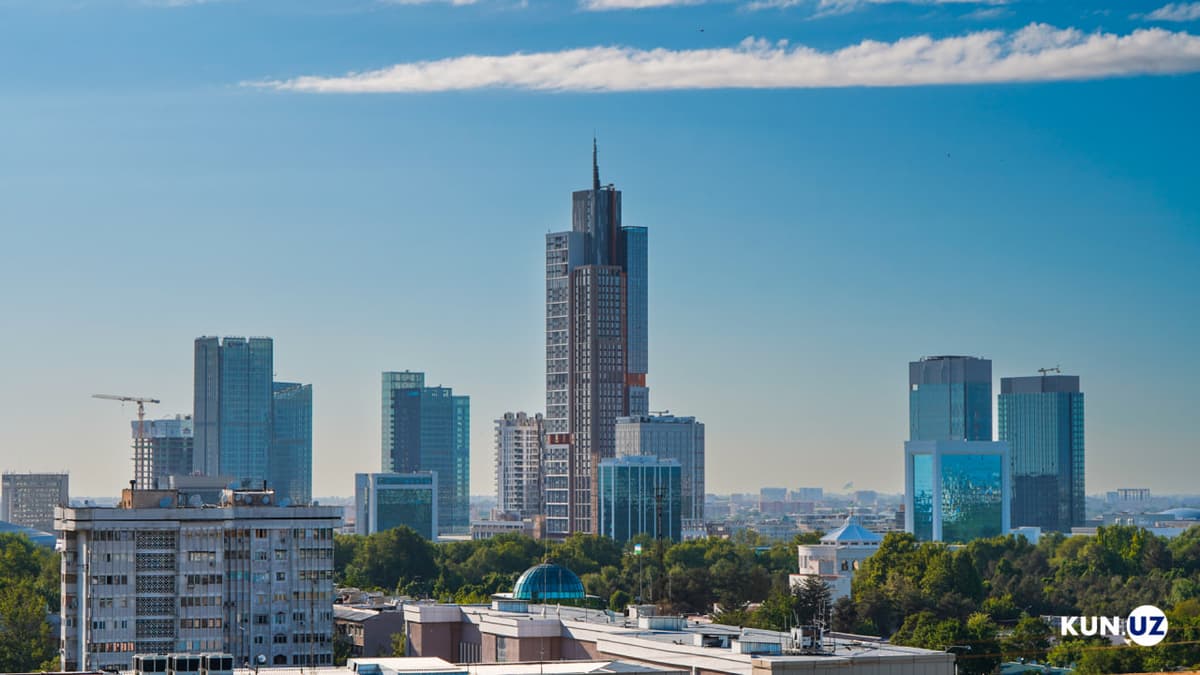
Tashkent achieved its most prominent result in the speed of change category, joining the top three global leaders and outpacing cities such as Doha, Guangzhou, Shanghai, Beijing, Jeddah, and Mumbai. Over the past decade, the Uzbek capital has also demonstrated substantial progress in economic opportunities and public engagement with government bodies.
Vladislav Butenko, Senior Partner and Managing Director at BCG and one of the co-authors of the report, explained that traditional rankings usually evaluate the current state of a city. However, residents focus heavily on the trajectory of development. A city with a strong starting position can lose public support if people do not perceive continuous progress, whereas a city with a lower baseline can build trust if improvements are tangible in daily life.
The next stage of competition between cities will be defined not just by what is already built, but by how quickly and noticeably the quality of life improves for residents, Butenko noted. He referred to this "speed of change" as a new competitive edge for cities looking to attract and retain valuable talent.
While Tashkent's overall ranking still trails some of its regional neighbors because it has not yet reached leading positions across all baseline indicators, it is rapidly closing the gap due to its swift pace of development.
The authors categorized the 80 cities into five socioeconomic brackets based on per capita GDP and population size. Tashkent was placed in the "Emerging Middleweights" group alongside Baku, Almaty, and Astana, with the study noting that these cities yielded comparable results.
Furthermore, Tashkent performs strongly in safety and longevity. In terms of life expectancy, the city ranks ahead of London, Berlin, Boston, Los Angeles, Dubai, Singapore, and Astana. At the same time, promoting healthy aging – maintaining health and quality of life as life expectancy rises – remains a key area for future focus.
The study also highlighted a unique social characteristic of the Uzbek capital. Tashkent shared the top spot globally with Ho Chi Minh City for the frequency with which residents meet friends outside of work and study, leading the Central Asia and Caspian region in this metric. BCG attributed this to high social interaction, resident optimism, and the cultural value placed on human connection.
A direct link was observed between a city’s speed of change and its advocacy score, which measures a resident's willingness to stay, recommend the city, and plan their future there. Tashkent scored 88 points in advocacy, the highest result in Central Asia.
Andrey Novitsky, Managing Director, Partner, and Head of the BCG Tashkent office, reiterated that the pace of transformation is becoming a primary competitive asset.
The ranking confirms that changes in Tashkent are unfolding at a remarkably fast pace by both local and international standards, Novitsky said. He added that the primary challenge moving forward is to translate this momentum into everyday improvements for residents. Among the key target areas, Novitsky emphasized environmental quality, city cleanliness, reduced commuting times, comfortable public spaces, better emergency resilience, and enhanced accessibility for people with disabilities.