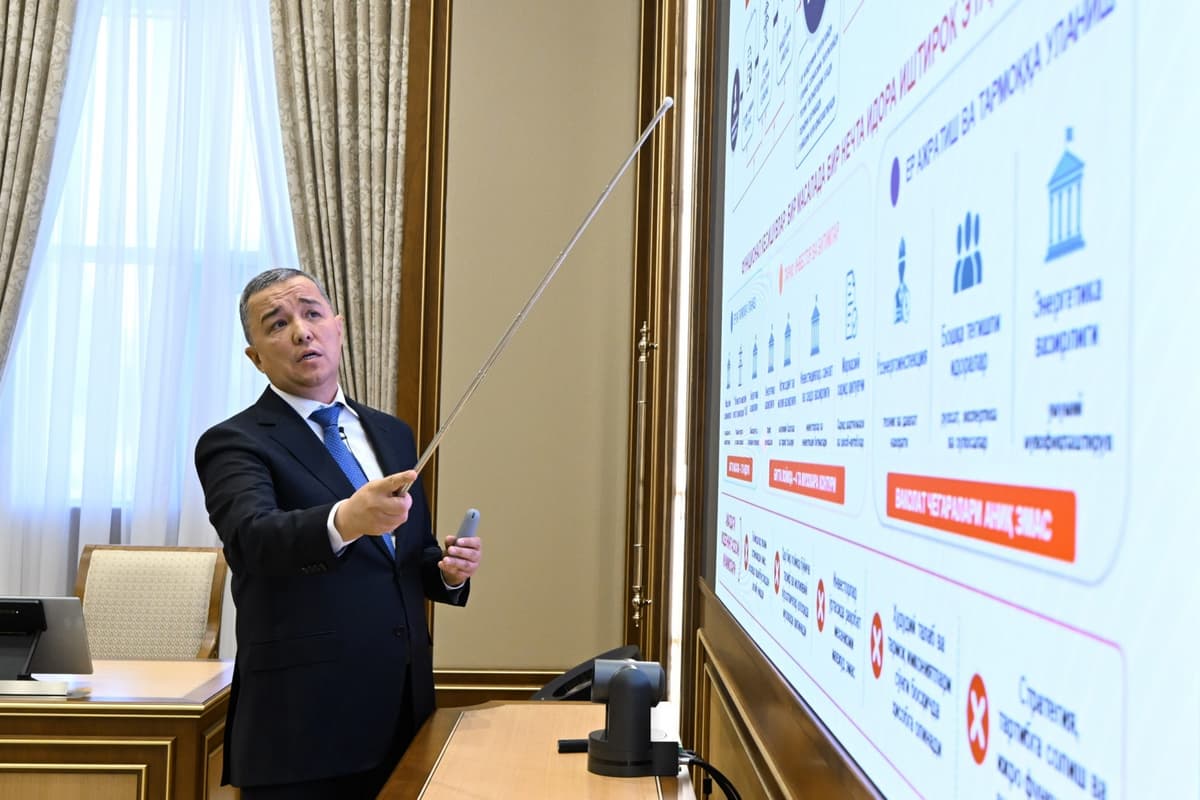
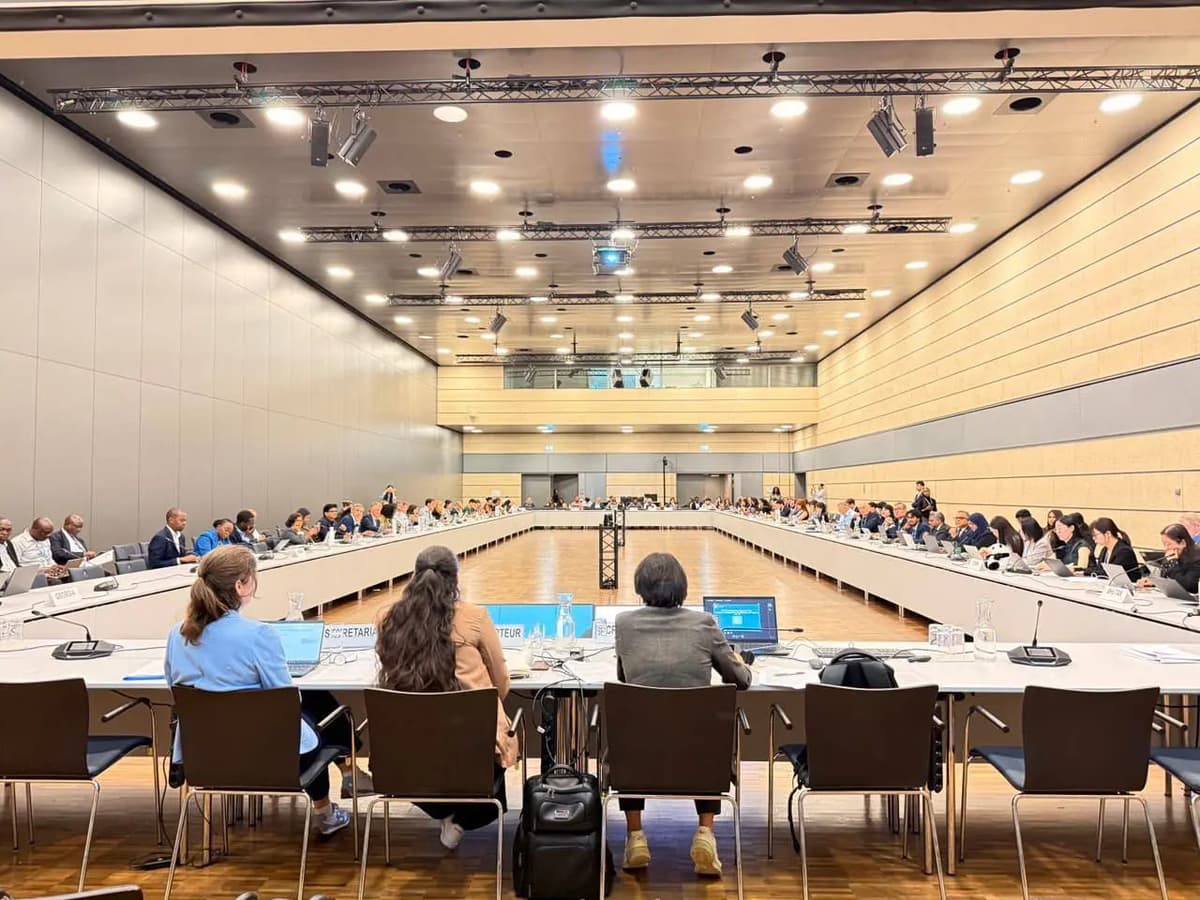
Led by Farrukh Sattorov, the Director of the National Climate Center, the delegation participated in the session on 13 June. The event was organized as part of the 64th sessions of the Subsidiary Bodies under the United Nations Framework Convention on Climate Change (UNFCCC). Serving as a key mechanism of the Paris Agreement, this platform facilitates information exchange between nations, enhances transparency, and fosters mutual trust regarding international climate obligations.
The representatives of Uzbekistan detailed ongoing structural reforms and state initiatives aimed at meeting climate goals, improving energy efficiency, and boosting economic resilience against environmental risks. During his address, Sattorov reaffirmed Uzbekistan’s dedication to the Enhanced Transparency Framework (ETF) under the Paris Agreement, noting that climate change poses increasingly severe challenges to the Central Asian region.
Under its updated Nationally Determined Contributions (NDCs), Uzbekistan has committed to reducing its greenhouse gas emissions per unit of GDP by 50% by 2035, compared to 2010 levels.
The delegation reported that large-scale solar and wind power projects have driven the share of green energy in the country's total electricity generation capacity to nearly 30%. This transition is expected to accelerate, with renewables projected to exceed 50% of the energy mix by 2030.
In terms of sustainable water management, the widespread adoption of water–saving technologies across the country now yields an annual conservation of approximately 10 billion cubic meters of water.
Looking ahead, Uzbekistan plans to sustain its active involvement in international climate diplomacy, broaden foreign partnerships, secure climate financing, and implement modern technologies to meet the long-term goals of the Paris Agreement.