The proposals were presented to President Shavkat Mirziyoyev during his visit to the city of Bekabad.
The proposed reforms are intended to ensure that every batch of rebar can be tracked throughout the supply chain – from domestic manufacturers or customs clearance to construction sites. Authorities also want substandard products to be disposed of and suppliers and builders responsible for violations to face stricter sanctions.
The presentation compared Uzbekistan's current regulatory framework with those used in the European Union, Turkey and Japan.
Under the existing system, construction rebar in Uzbekistan undergoes conformity assessment through mandatory certification, while the conformity mark remains voluntary. By comparison, the European Union and Turkey rely on declarations of conformity, while Japan uses testing procedures. Products in those markets also carry established conformity marks such as CE, TSE and JIS.

Officials also noted that Uzbekistan lacks a single state body with clearly defined market surveillance powers. In addition, government information systems are not fully integrated, and no nationwide product traceability mechanism is currently in place. The proposed model includes QR code-based marking similar to Turkey’s IDIS system.
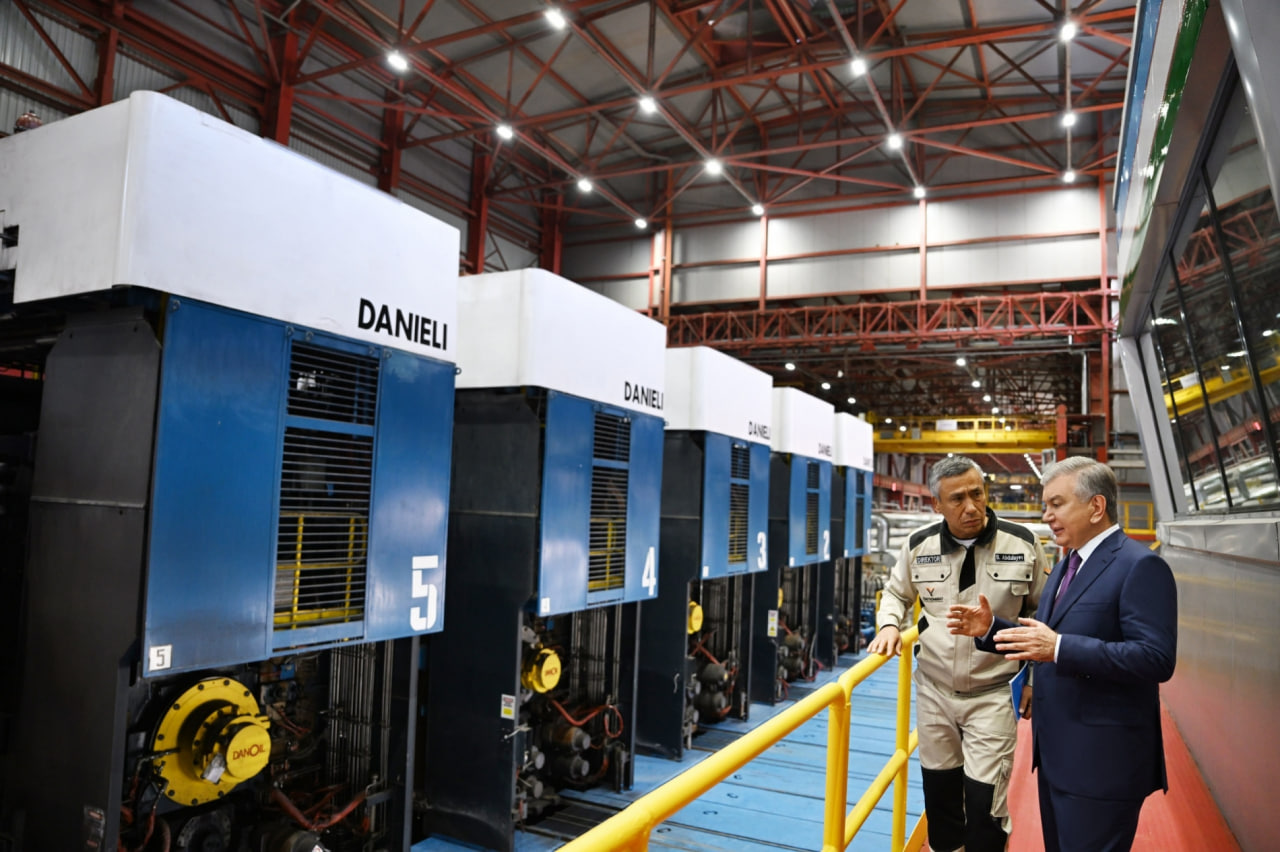
Akmal Jumanazarov, Director of the Technical Regulation Agency, said Uzbekistan's annual demand for construction rebar stands at 3.7 million tonnes.
Domestic demand is largely met by around 11 local manufacturers producing 3.2 million tonnes annually under 24 certificates. The remaining 500,000 tonnes are imported by 32 companies holding a total of 151 certificates.
Jumanazarov said the proposals were developed after studying international experience and had been submitted to the president for consideration.
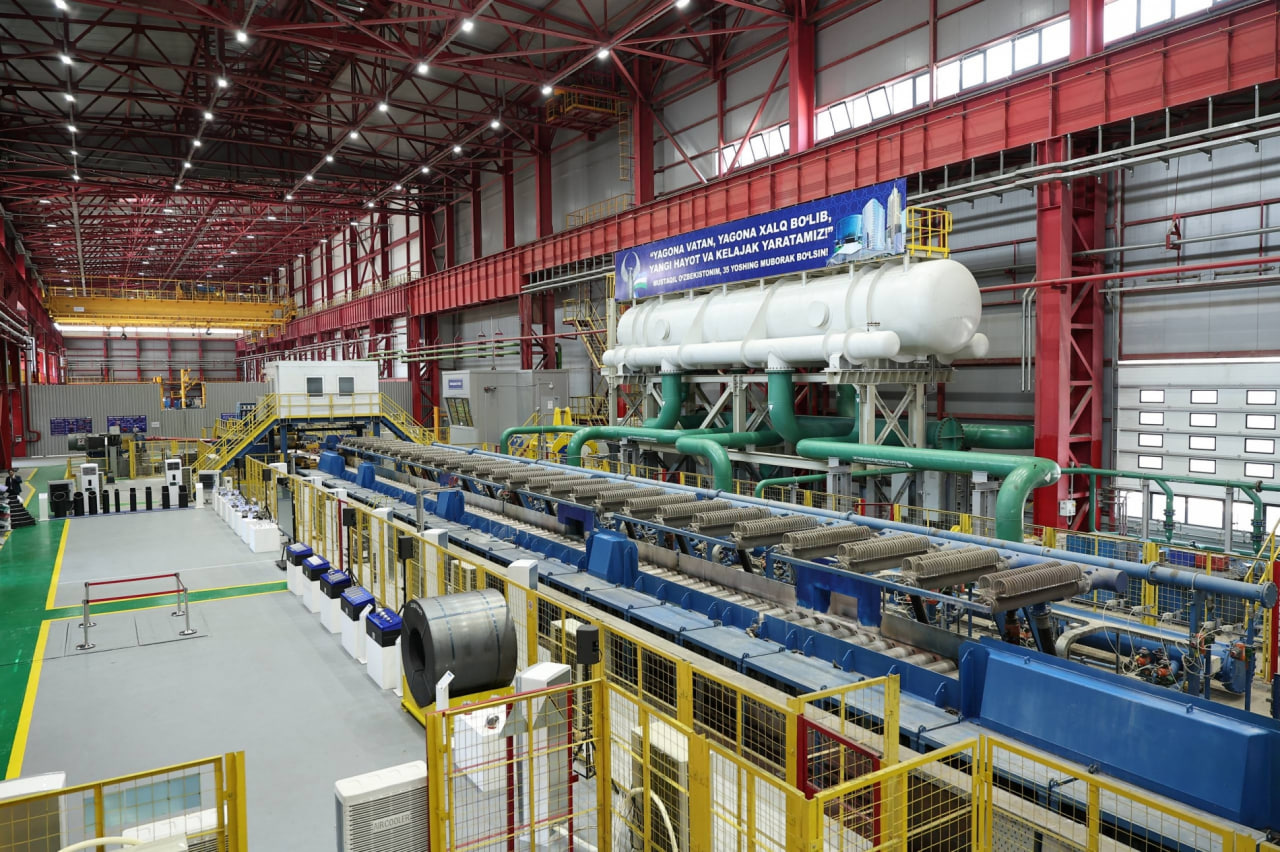
"The head of state instructed us to introduce a new system, including a product marking mechanism. This will make it possible to fully trace the entire supply chain – from production or import to the construction site," he said.
The government also plans to integrate public procurement and customs systems with other state information platforms. Products placed on a blacklist would be barred from participating in electronic procurement.
The proposed reforms also include adopting international testing requirements, such as cyclic testing and corrosion resistance assessments.

Another proposal envisages establishing authorized conformity assessment bodies. Based on the European Union's NANDO system, a register of such organizations would be maintained, and they would be responsible for assessing whether rebar complies with safety requirements.
Rebar that fails to meet mandatory standards would be sent for disposal. Builders found responsible for violations could be prohibited from participating in open procurement procedures and signing contracts for up to five years.
Rather than simply removing substandard rebar from the market, the authorities propose selling it as scrap metal through the commodity exchange or electronic auctions. Metallurgical enterprises, including Uzmetkombinat, would then be able to remelt the material and reuse it as raw material.
The presentation also revealed that laboratory testing identified non-compliance with mechanical and chemical standards in 17 cases. The findings were referred to the Standards Agency, which took measures against the violators in accordance with the law.
Jumanazarov said the president had also instructed officials to strengthen legislation governing suppliers and manufacturers of substandard or non-compliant rebar.
"Based on these instructions, we will amend the relevant regulatory and legal acts to strengthen liability," he said.
The proposals also call for extending liability across the entire supply chain, increasing fines, and introducing penalties that could include restrictions for up to six months.