The resolution introduces two temporary regulations. One establishes the rules for creating and operating bonded warehouses, while the other sets out the mechanism for selling imported goods to individuals through designated online trading platforms.
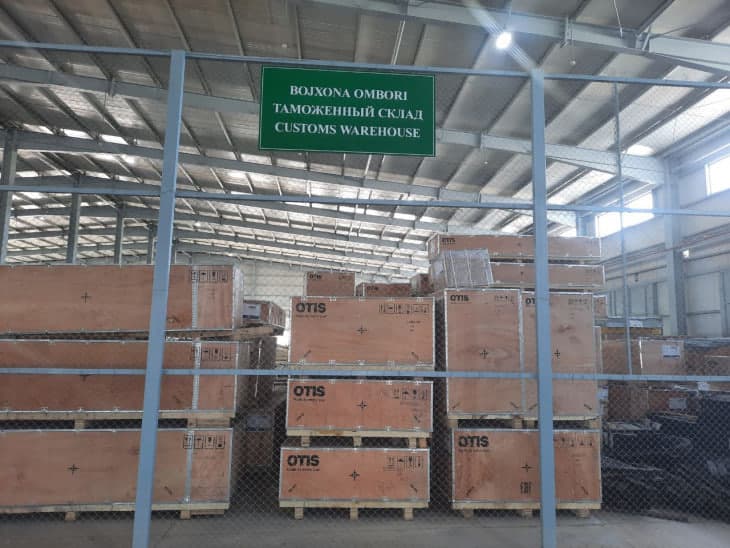
Under the new rules, a bonded warehouse is defined as a customs-controlled storage facility where imported goods can be kept before being sold at retail to residents and non-residents of Uzbekistan through special electronic trading platforms. In addition to storage, operators will be permitted to sort goods, assemble consignments, package and repackage products, apply labels, excluding excise stamps, and carry out other preparatory operations.
To establish a bonded warehouse, an operator must hold a free warehouse license, implement an electronic inventory management system integrated with customs information systems, and own or have the right to use a unified free warehouse covering at least 15,000 square meters.
A bonded warehouse may begin operating only after it has been entered into a special register maintained by the Customs Committee. Applications for registration will be reviewed within 10 working days.
The resolution also introduces a register for special electronic trading platforms, which will be maintained by the National Agency for Perspective Projects. Platforms will be included in the register only after meeting the established requirements.
Among other conditions, platforms must be connected to the online cash register system and have a nationwide delivery network and operational warehouses, or conclude contracts with organizations providing such services.
Under the approved procedure, imported goods must first be placed in a bonded warehouse. Once a customer places an order through a registered electronic trading platform, the goods will undergo customs clearance and then be delivered to the buyer in accordance with the established procedure.
Customs clearance will be carried out on the basis of a cargo customs declaration, and goods may be released from the warehouse only after all customs duties have been paid.
If a customer returns a product under consumer protection legislation, it will not be placed back into the bonded warehouse. Instead, it will be transferred to the operational warehouse of the electronic trading platform. Such goods may later be sold on the domestic market, although customs duties paid during importation will not be refunded.