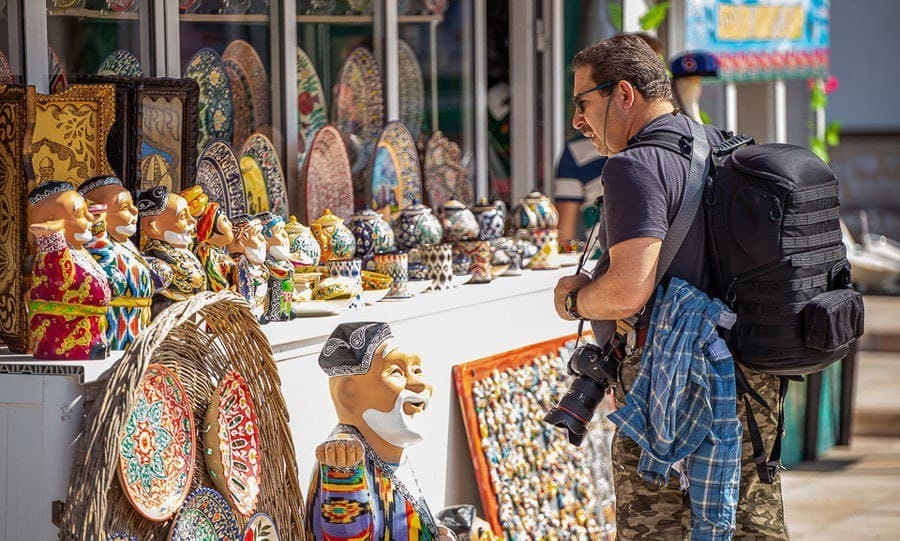
Under the proposal, tourism facilities would operate on a revised daily schedule between 1 June and 31 August. Hotels, hostels, guest houses, museums, historical sites, restaurants, cafes, tour operators, travel agencies and other tourism-related businesses would work from 7:00 to 13:00, observe a siesta from 13:00 to 17:00, and resume operations from 17:00 to 23:00.
A siesta is a traditional afternoon break, often involving rest or sleep, that is common in countries with hot climates, including Spain, Italy, Greece, Cyprus and parts of Latin America.
According to the draft decree, the proposed changes are intended to help the tourism industry adapt to climate change, protect visitors and employees from extreme heat, and create new summer tourism experiences.
During the siesta period, businesses would be required to keep air conditioning systems running while maintaining reception services and the minimum staff needed for essential operations. The document also states that the new work schedule must not result in lower wages or less favorable working conditions for employees.
Restaurants, cafes and entertainment venues would be encouraged to introduce seasonal menus, programs and events tailored to the evening and night-time hours. The Cultural Heritage Agency is also expected to launch "Night Museum" and "Evening Excursion" projects, supported by dedicated lighting at participating sites.
The initiative is proposed as a pilot project in Tashkent, Samarkand, Bukhara and Khiva.