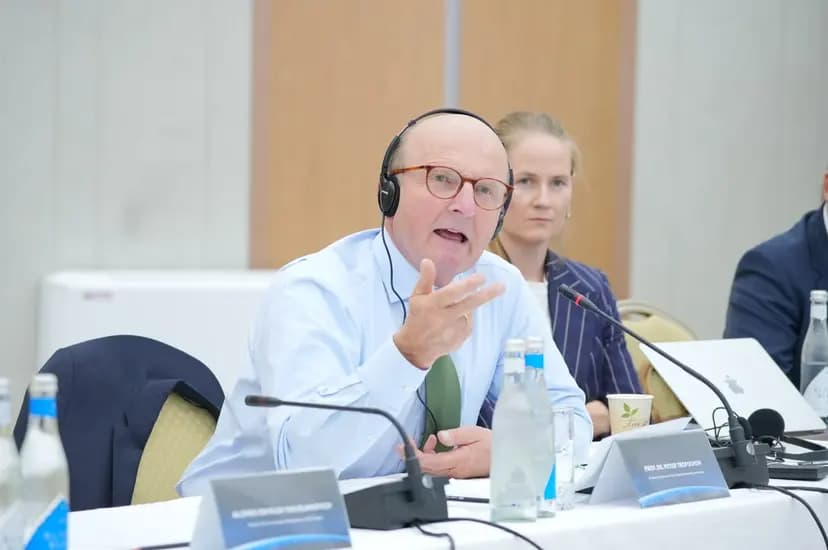
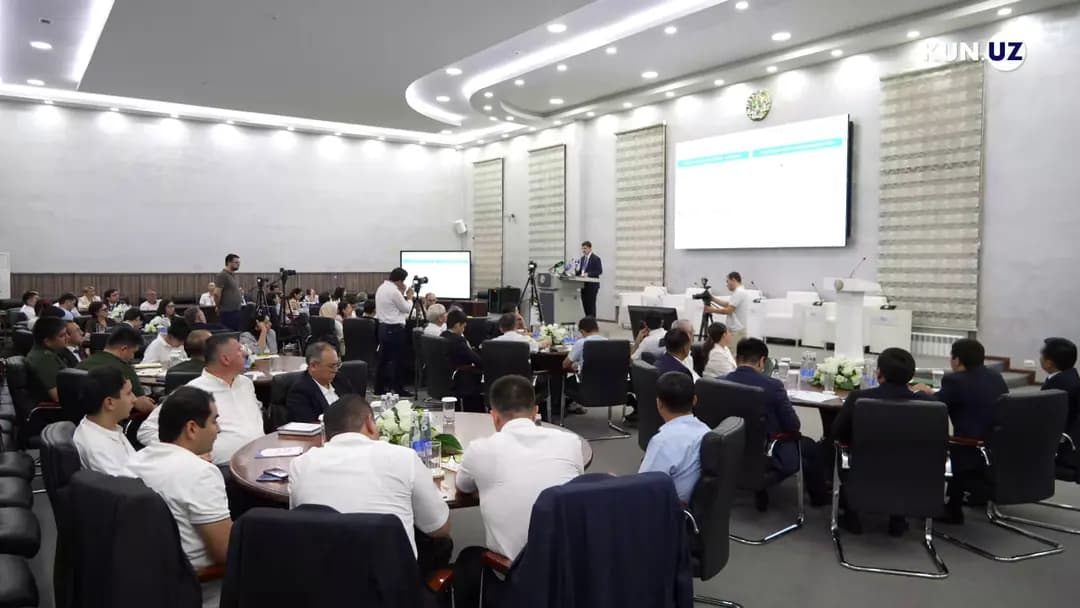
The initiative was presented on July 30 during a fiscal policy dialogue in Tashkent.
According to the presentation, state subsidies for district heating are expected to reach UZS 3.8 trillion nationwide in 2026. Of that amount, UZS 2.9 trillion, or 77%, is allocated to Tashkent.
The institute noted that households currently pay less than 20% of the base heating tariff, which stands at UZS 711,600 per gigacalorie (Gcal), while the remaining 80% is covered by the state budget.
The authors of the proposal argued that Tashkent's centralized heating system is heavily dependent on budget subsidies, whereas in most other parts of the country households bear the majority of their heating costs themselves.
The institute also criticized the current subsidy model, saying support is provided regardless of a household's income or financial situation. It further pointed to inconsistencies in tariffs for legal entities, with budget-funded organizations paying UZS 952,800 per Gcal, compared with UZS 342,300 per Gcal for other organizations.
As an alternative, the institute proposed gradually introducing a social consumption norm. Under the proposal, each household would receive subsidized heating for either 60 square meters of living space or 16 square meters per registered resident.
Any residential area exceeding the social norm would be billed at the full base tariff, making heating costs for that portion approximately five times higher than under the current subsidized rate.
The institute also proposed gradually increasing tariffs for second and subsequent residential properties from 40% of the base tariff to 100%. For legal entities, it recommended raising the share of the base tariff from the current 60% to 80%, and eventually to 100%.
In the medium term, the institute recommends replacing universal subsidies with targeted cash assistance distributed through the Unified Register of Social Protection.
According to the presentation, the proposed changes would not affect a large share of households. In Tashkent, for example, the current payment system would remain unchanged for 45.4% of apartments with a floor area of up to 60 square meters.