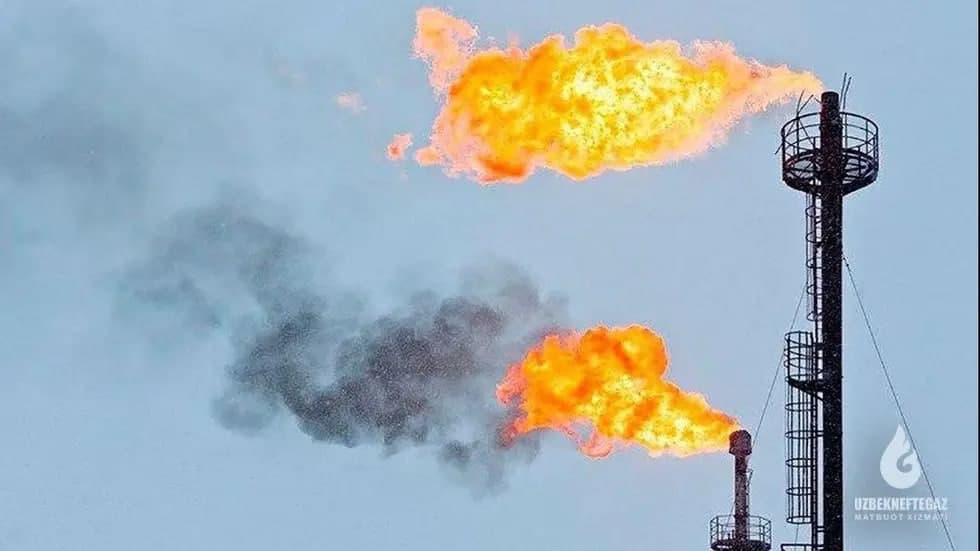
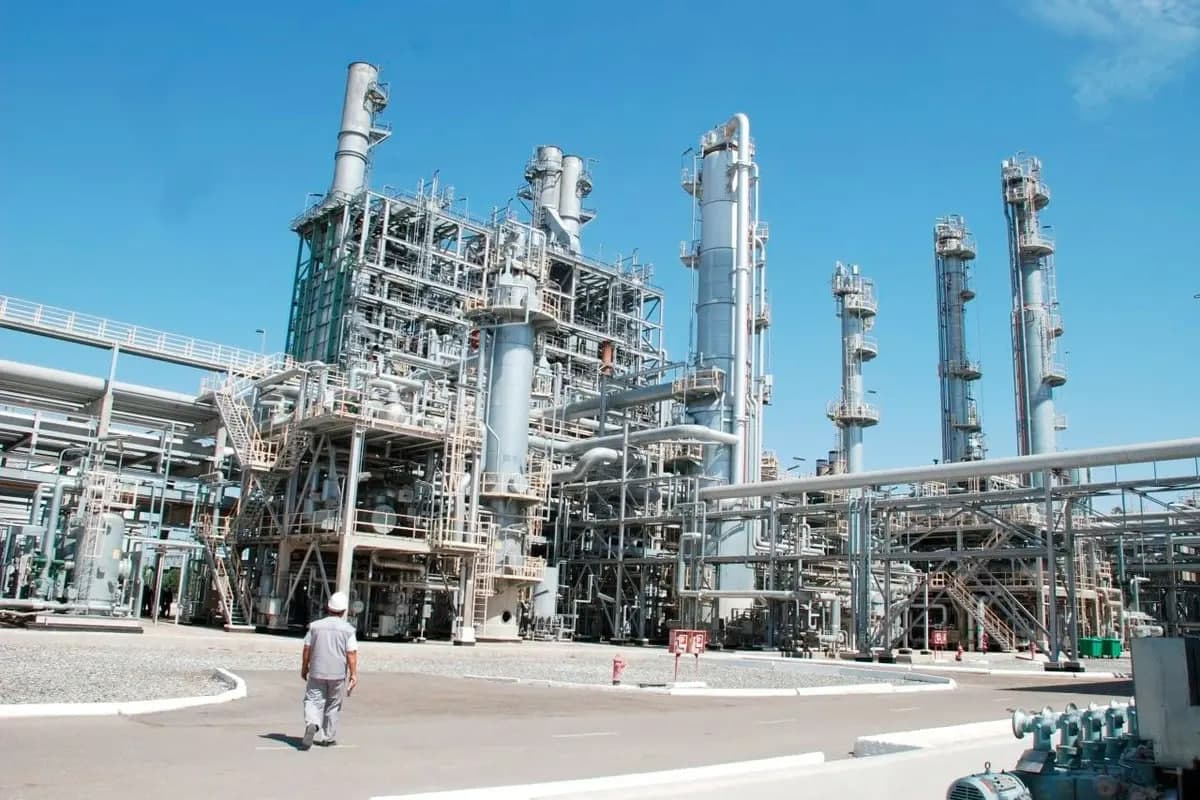
The decline amounted to nearly 3.6 bcm year-on-year. Compared with the first six months of 2024, gas production fell by 4.2 bcm, or 18.6%.
Production continued to weaken in June, when output dropped to 2.5 bcm – the lowest monthly figure recorded this year. Compared with 3.4 bcm produced in June 2025, this represents a decline of almost 25%. The relevant authorities have not explained the reasons behind the decrease.
Monthly gas production in the first half of 2026 was as follows: 3.7 bcm in January, 3.2 bcm in February, 2.7 bcm in March, 3 bcm in April, 3.2 bcm in May and 2.5 bcm in June.
Natural gas remains a strategic resource for Uzbekistan, playing a crucial role in the country's economy, energy security and foreign trade balance.
According to the latest official forecasts, Uzbekistan is expected to produce 40.2 bcm of natural gas in 2026. Output is projected to increase over the following four years, reaching 42.9 bcm in 2027, 44.5 bcm in 2028, 45.5 bcm in 2029 and 48.5 bcm in 2030.
The report also points to mixed trends across the broader energy sector.
Oil production declined from 323,900 tonnes to 313,800 tonnes, a decrease of 3.1%. Gas condensate output fell from 575,200 tonnes to 462,100 tonnes, down 19.6%, while coal production dropped from 3 million tonnes to 2.5 million tonnes, a decline of 16.6%.
At the same time, production of refined petroleum products increased. Diesel fuel output rose from 556,400 tonnes to 568,000 tonnes, up 2.1%, while gasoline production climbed from 579,700 tonnes to 614,200 tonnes, an increase of 5.9%.
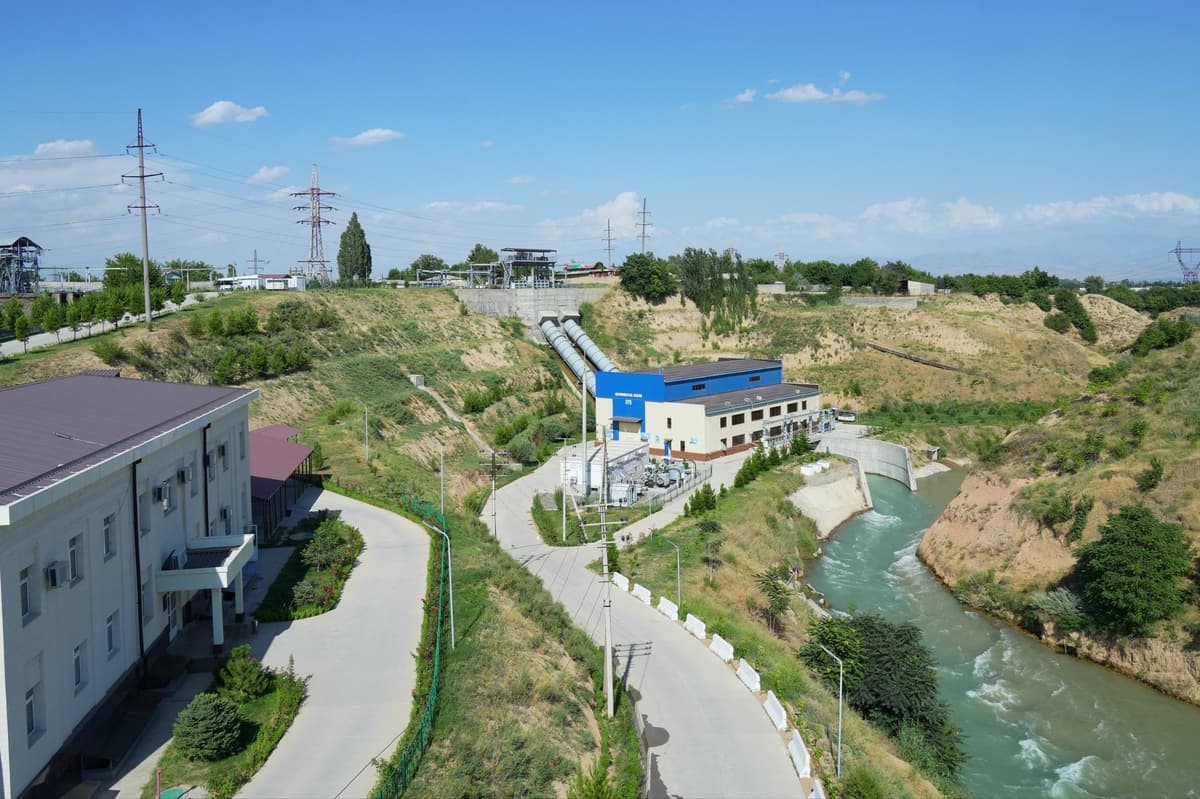
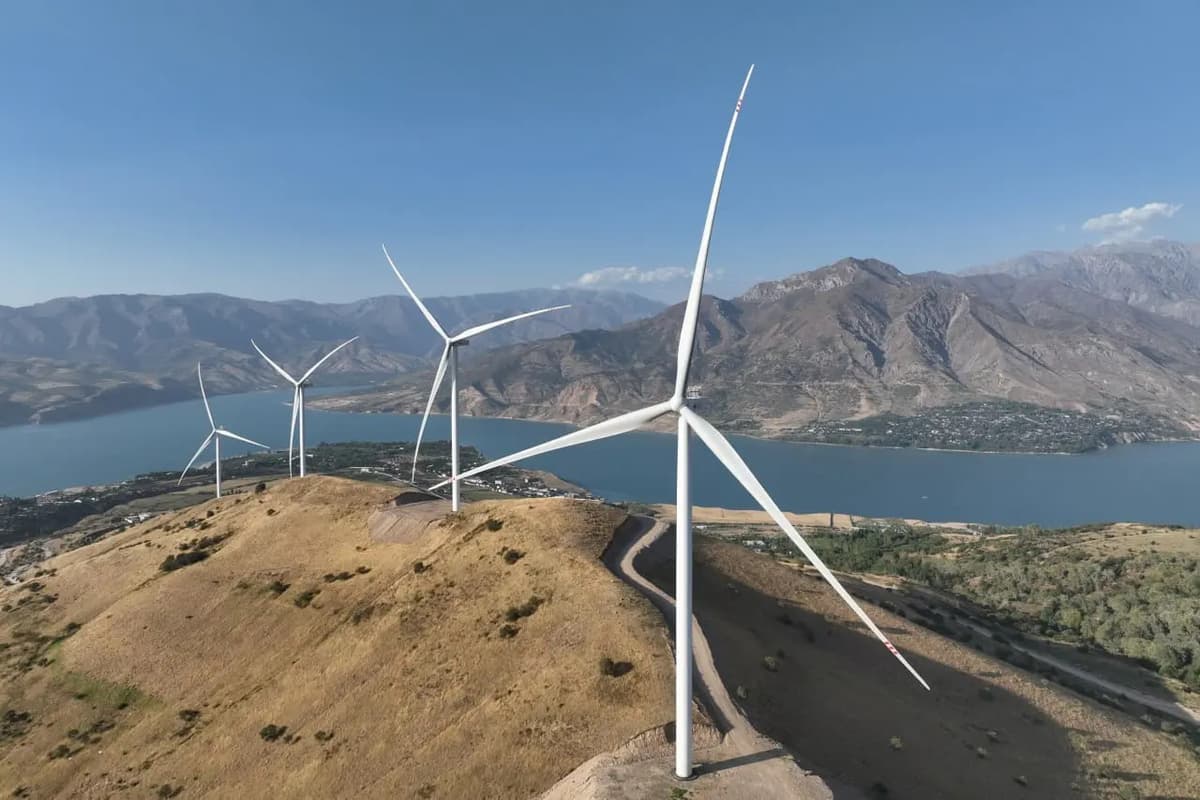
Electricity generation also expanded during the reporting period. Uzbekistan produced 44.1 billion kWh of electricity in the first half of 2026, compared with 41.7 billion kWh in the corresponding period of 2025. The increase was driven primarily by the commissioning of new generating capacity.
The report further shows that Uzbekistan manufactured 235,794 vehicles during the first six months of the year, 26,819 more than in the same period of 2025.