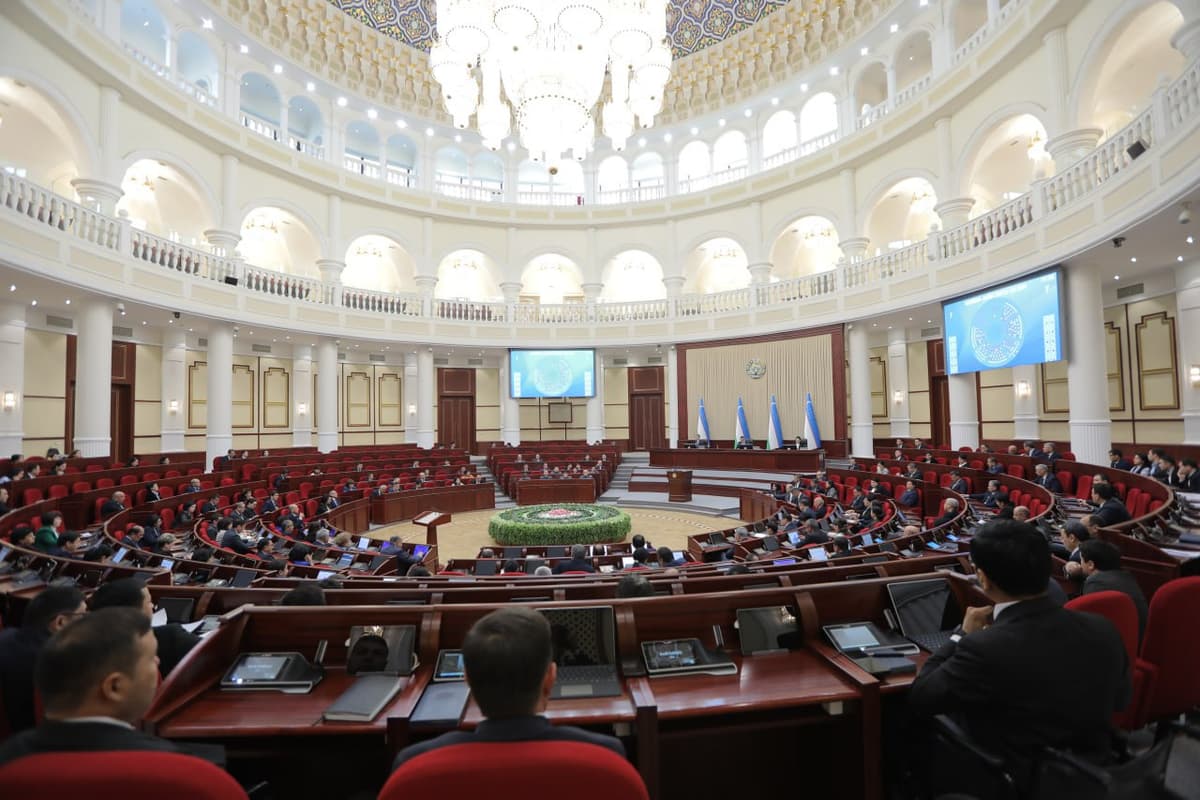
The lower house passed the draft law in its second and third readings on 11 November, marking a major step toward formalizing Islamic finance in the country.
Lawmakers highlighted several key provisions of the bill:
Licensing requirements: clear conditions are set for obtaining a separate license to conduct Islamic banking activities.
Standards and definitions: the legislation defines Islamic finance concepts – including murabaha, ijara, musharaka, mudaraba and others – and introduces the application of Islamic finance standards.
Scope of activities: Islamic banks will be permitted to engage in trade operations to finance clients, establish legal entities, and purchase equity or shares in companies.
Taxation: a tax mechanism aligned with Islamic finance operations will be introduced.
According to the chamber, the law is expected to support the gradual rollout of Islamic banking services, expand financial inclusion, curb the scale of the informal economy, and attract foreign investment.