The update was provided by Asliddin Isaev, deputy director of Avtoyulinvest under the Roads Committee of the Ministry of Transport, in an interview with the Uzbekistan24 TV channel.
Project draws interest from major Chinese investors
According to Isaev, negotiations with large investor companies have already been completed, and discussions are currently underway on the key financing conditions before final agreements are signed.
“Negotiations with major investor companies on the project have been completed. We are now conducting pre-contract discussions on the main financing terms. Practical construction work is expected to begin soon. Large Chinese investors have shown interest in the project – including companies that are among the world’s top 100,” he said.
Road to begin in Sergeli and run parallel to existing route
The toll highway will begin at the Tashkent Ring Road in the Sergeli district and end in the Samarkand region. The route will be built parallel to the existing road between the two cities.
Traffic on the current Tashkent – Samarkand road ranges from 55,000 to 60,000 vehicles per day. Authorities expect the new toll road to significantly reduce travel time between the capital and Samarkand.
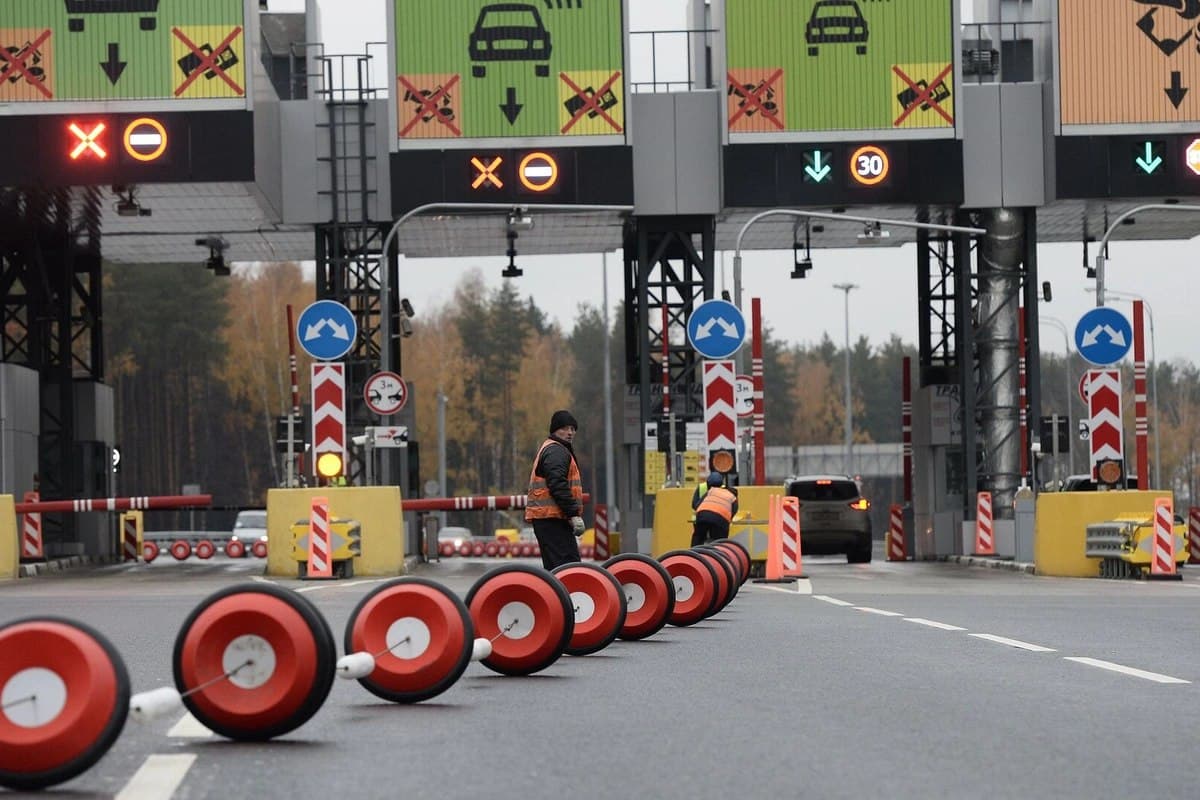
The highway will include 12 entry and exit points and will be fully digitized. It will also be equipped with intelligent transport systems operating around the clock.
Possible phased opening of the highway
Although the full construction period is expected to take five years, authorities are considering opening the road gradually as individual sections are completed.
“According to our studies, the highest traffic flow is observed on the section from Tashkent to Syrdarya. During negotiations with investors, the possibility of launching the road in stages will also be considered – meaning that separate sections could be opened for operation earlier,” Isaev said.
Project cost and engineering details
According to the approved feasibility study, the total construction cost of the project is estimated at $2.25 billion.
Engineering work will include: