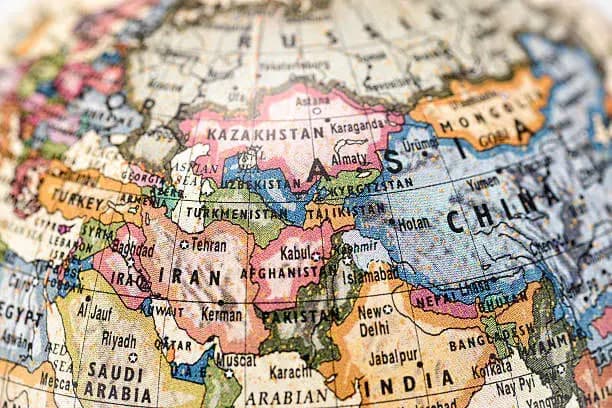
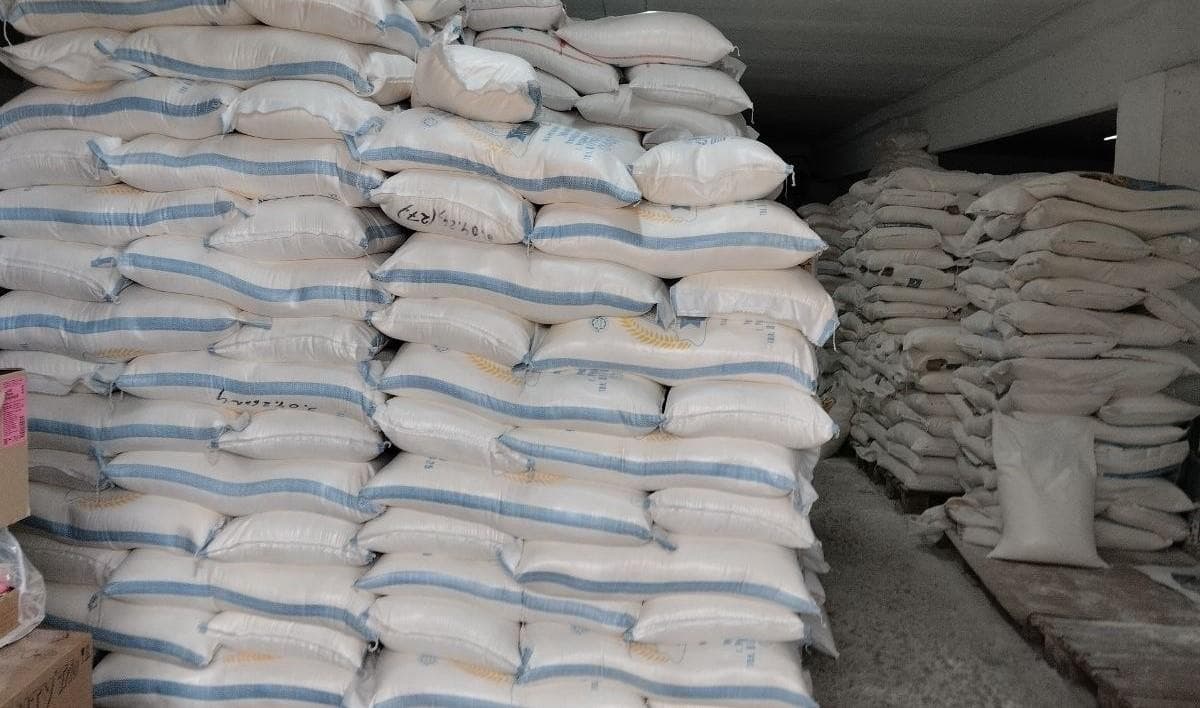
According to agricultural market intelligence agency APK-News, the structural shift has enabled Uzbek millers to capture dominant positions across traditional regional consumer markets, particularly in Afghanistan.
Economic and agricultural expert Toleutay Rakhimbekov highlighted that by the end of 2025, Kazakhstan's flour shipments to Afghanistan reached 1.05 million tons. Meanwhile, Uzbekistan outperformed this volume by supplying nearly 1.6 million tons of flour to the Afghan market over the same period. To achieve this scale of output, Uzbek processing plants acquired 2.2 million tons of raw grain directly from Kazakh agricultural producers.
This trade dynamic highlights what Kazakh industry analysts view as a major loss of domestic value-added potential. Rakhimbekov noted that Kazakh grain processing enterprises were historically the largest domestic buyers of homegrown wheat, purchasing raw commodities at competitive market prices throughout the year. The domestic milling sector in Kazakhstan required between 4.7 million and 4.8 million tons of high-grade wheat annually for flour production, alongside an additional 2 million tons of specialized grain earmarked for feed flour.
Processing a single ton of raw wheat domestically generates approximately $50 in added economic value. This value-added production directly supports regional tax revenues, sustains local employment pipelines, and stabilizes interconnected industrial sectors. Kazakh experts have raised concerns that the current regulatory landscape is inadvertently backing foreign competitors at the expense of domestic processors.
Yevgeny Gan, Chairman of the Founders' Council of the Union of Grain Processors of Kazakhstan, pointed out that industry indicators compiled in early 2026 forecast this market shift. The organization noted a sharp 1.49-fold annual increase in Kazakh raw wheat exports to Uzbekistan, which reached 1,643,340 tons compared to 2024 levels, laying the groundwork for the subsequent surge in Uzbek processed flour exports.
Official data shows that in 2025, Uzbekistan exported nearly 1.6 million tons of wheat flour to five primary foreign destinations, generating a total export value of $441.7 million. Afghanistan remained the cornerstone of this trade network, absorbing 1,590,193 tons of the total volume. Other notable regional buyers included Tajikistan at 607 tons, Kyrgyzstan at 356.4 tons, and Turkmenistan at 174 tons.
Industry leaders conclude that a sustainable national trade model requires a strategic equilibrium between raw grain and processed flour exports. Maintaining this balance ensures that the state, including agricultural producers, trading organizations, and industrial processors, maximizes its long-term financial returns from agricultural assets.