The decree, published on the Lex.uz national legislation database, follows an extensive nationwide inventory of fueling facilities.
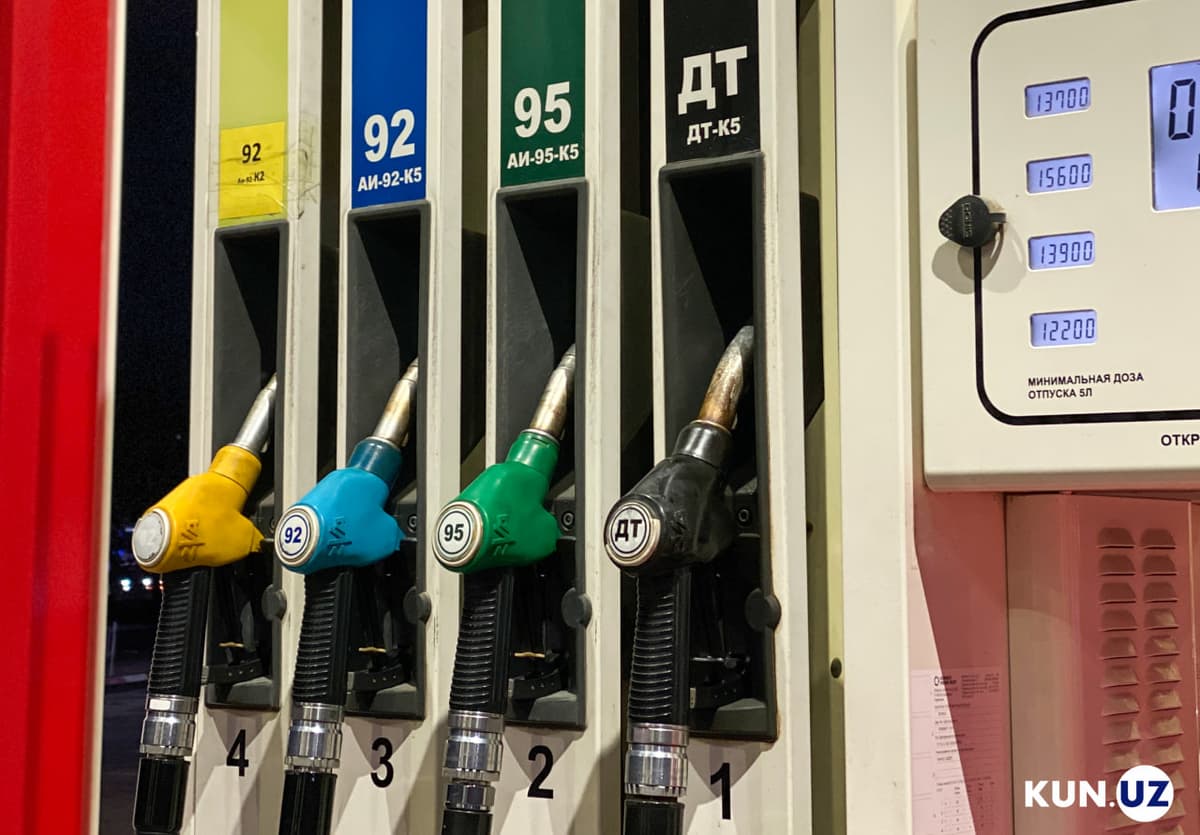
Throughout 2025, interagency working groups inspected 6,196 fuel distribution sites across Uzbekistan. These included conventional petrol stations, liquefied petroleum gas (LPG) and compressed natural gas (CNG) stations, as well as retail points dedicated to filling domestic gas cylinders.
The inspections exposed a total of 46,737 violations and deficiencies. More than half of the issues – 25.3 thousand cases – related directly to industrial and technical safety. Additionally, inspectors flagged 7,949 fire safety violations, 7,875 breaches of technological processes, 3,354 environmental infractions, and 2,218 construction non-compliance issues.
While 7,166 minor deficiencies were resolved on-site, the severe nature of some infractions led authorities to temporarily suspend operations at 464 stations.
To address these systemic issues, the government has established updated lists of minimum requirements covering fire, industrial, technological, and environmental safety standards. Compliance will be monitored by the Ministry of Emergency Situations, Uzenergoinspektsiya, the Industrial Safety Committee, and the Ecology Committee.
Under the new regulations, a restriction will take effect from September 1, barring the use of pressurized equipment that has exceeded its service life or lacks a verified manufacturing date. This restriction will remain in place until the beginning of 2030.
To ensure vehicular safety, the Ministry of Internal Affairs and the Ministry of Digital Technologies have been tasked with integrating data from the Eco-Himoya platform, which tracks gas cylinder technical inspections, into the U-Gas natural gas sales accounting system. This integration will enable fuel station operators to instantly verify the safety status of a vehicle's gas cylinder equipment before refueling.
Adopting the U-Gas system has now been made a mandatory requirement for all CNG stations. Currently, 1,553 facilities are registered in the system, with 1,459 having fully implemented it.
Furthermore, from September 1, the installation of containers combining fuel storage and distribution equipment in close proximity will be permitted only under strict conditions. Only certified, factory-manufactured modular stations that meet national industrial safety standards will be allowed. Gas fueling equipment must also be positioned at safe distances on stable foundations, utilizing fire barriers, double-walled tanks, and automatic emergency shut-off systems. Authorities have until December 1 to establish a procedure for replacing above-ground LPG tanks at hazardous sites with double-walled alternatives or moving them completely underground.