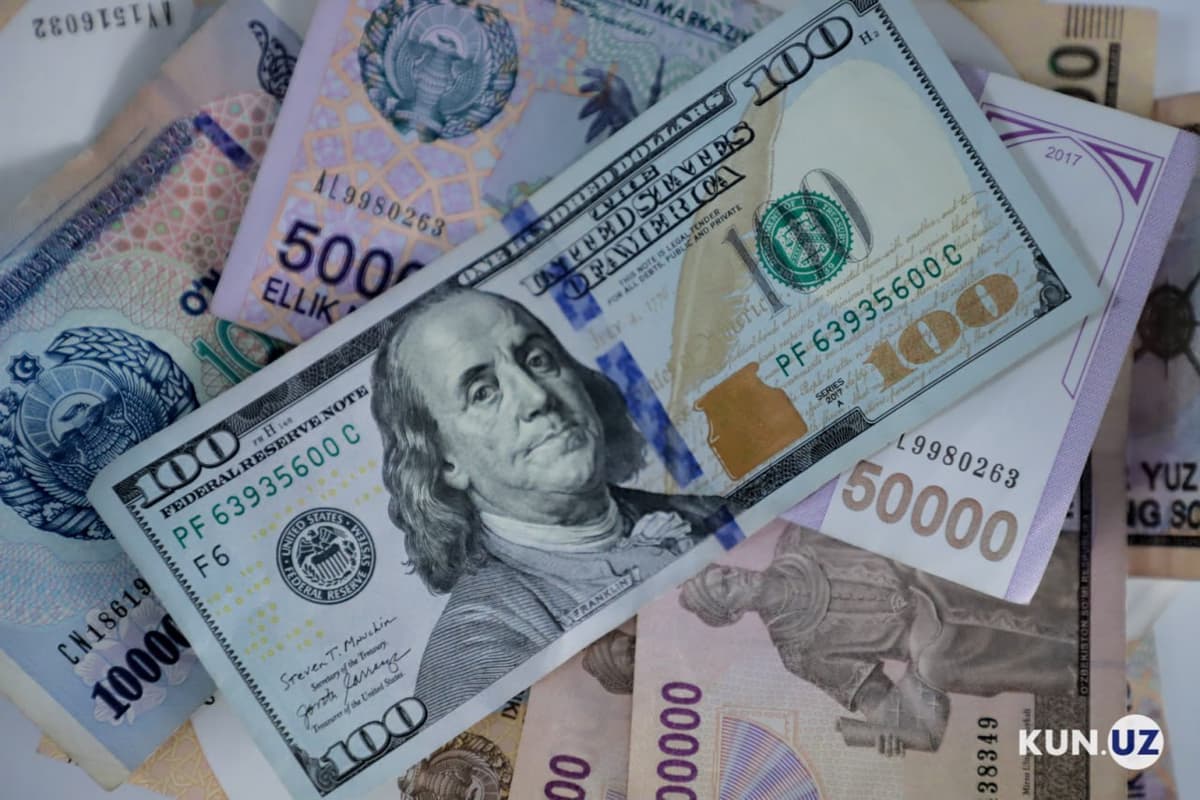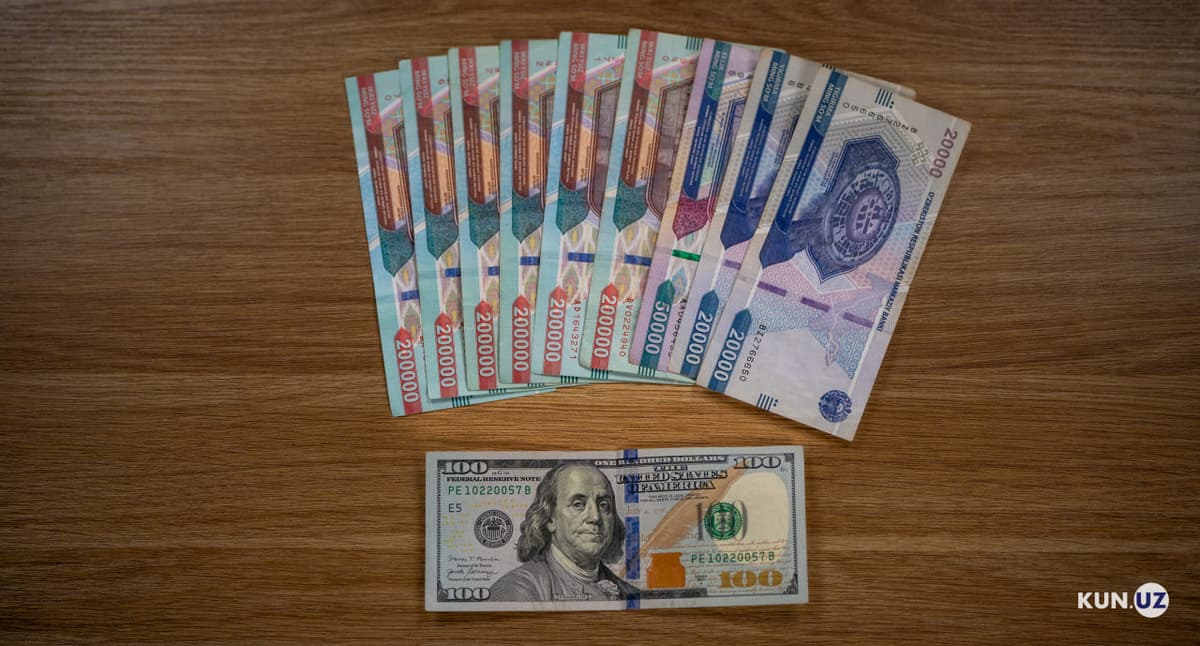
The minor dip follows a 0.5 percent depreciation in May and a notable performance in April when the soum strengthened by nearly 2 percent. Looking at the broader timeline, the national currency has depreciated by a mere 0.3 percent since the beginning of the year. Starting at UZS 12,025.33 on January 1, the dollar rose by just UZS 35.51 over the six–month period.
Economist Mirkomil Kholboyev noted that the global strengthening of the dollar was driven by widespread market expectations that the US Federal Reserve will continue raising interest rates.
Kholboyev pointed out that prior to the Federal Reserve meeting on June 17, 11 evaluated currencies were gaining ground against the dollar. Following the session, however, only two managed to maintain their upward trajectory, while 32 others depreciated. He added that an easing of tensions in the Middle East led to a decline in global oil prices, which placed additional pressure on commodity–reliant currencies, particularly the Russian ruble. Overall, out of 39 currencies analyzed in June, only four strengthened against the US dollar, while the rest either depreciated or remained unchanged due to pegged exchange systems.
Despite these global shifts, the soum emerged as one of the most stable currencies among those studied. In comparison, the Russian ruble led the decline by plunging 7.7 percent against the dollar in June, while the Kazakh tenge maintained relative stability with a minor 0.1 percent drop. Major international currencies also felt the pressure, with the Swiss franc falling 3.1 percent, the euro dropping 2.1 percent, the British pound weakening by 1.8 percent, and the Japanese yen sliding 1.5 percent. The Chinese yuan, representing one of Uzbekistan's largest trading partners, declined by 0.6 percent.
Furthermore, Kholboyev highlighted a clear reduction in the soum's volatility. The average daily volatility of the national currency decreased by 22.6 percent in June, dropping to 0.24 percent from the 0.31 percent recorded in May. Compared to June of last year, daily fluctuations have effectively been cut in half.
This stabilization follows a decision by the International Monetary Fund last year to reclassify the soum from a crawl–like arrangement to a floating currency regime after a period of heightened fluctuations. According to the expert's calculations, the soum ranked among the most stable currencies in June regarding daily volatility. For context, the daily volatility for the Russian ruble and the Kazakh tenge stood at 0.84 percent and 0.44 percent respectively, while the Canadian dollar matched Uzbekistan's rate at 0.24 percent, followed closely by the euro at 0.29 percent and the British pound at 0.30 percent.