BUSINESS | 18:16
253
7 min read

Uzbekistan to strengthen domestic iron ore base for steel production

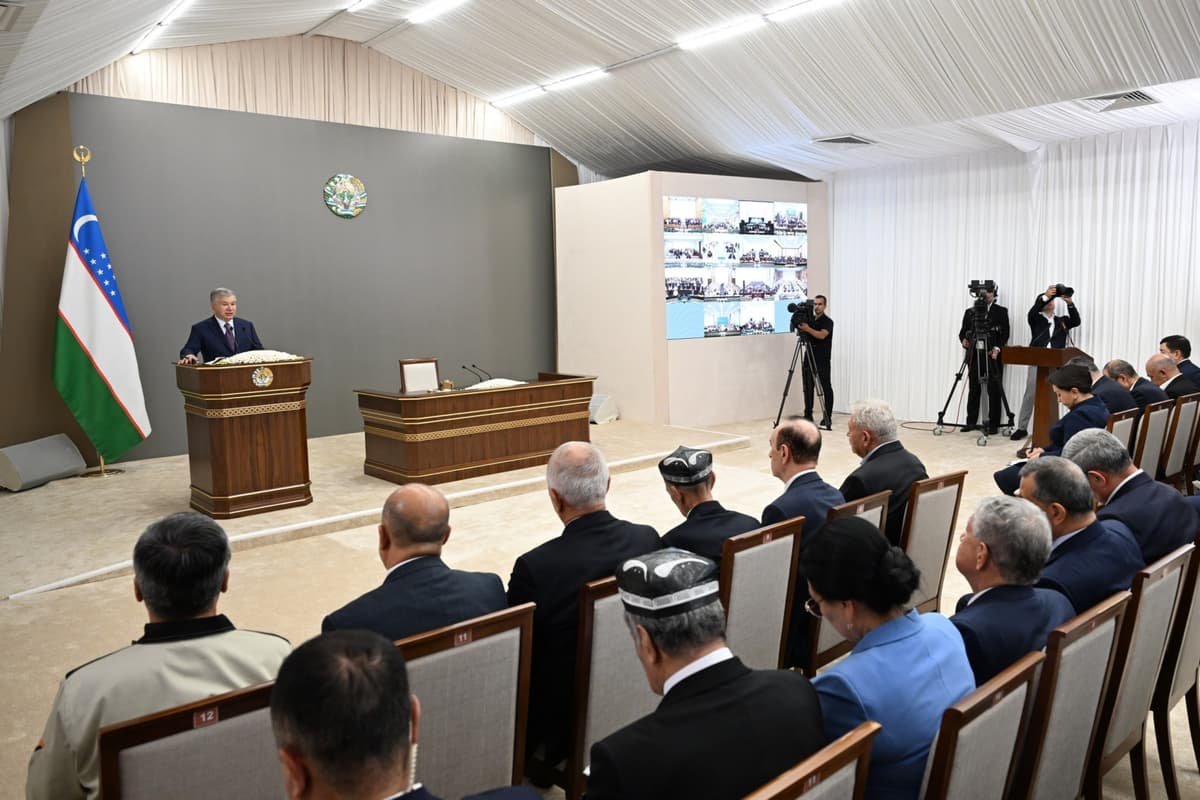
Uzbekistan possesses an estimated 1.5 billion tonnes of iron ore reserves, President Shavkat Mirziyoyev said during a meeting on priorities for advancing the country's ferrous metallurgy industry.

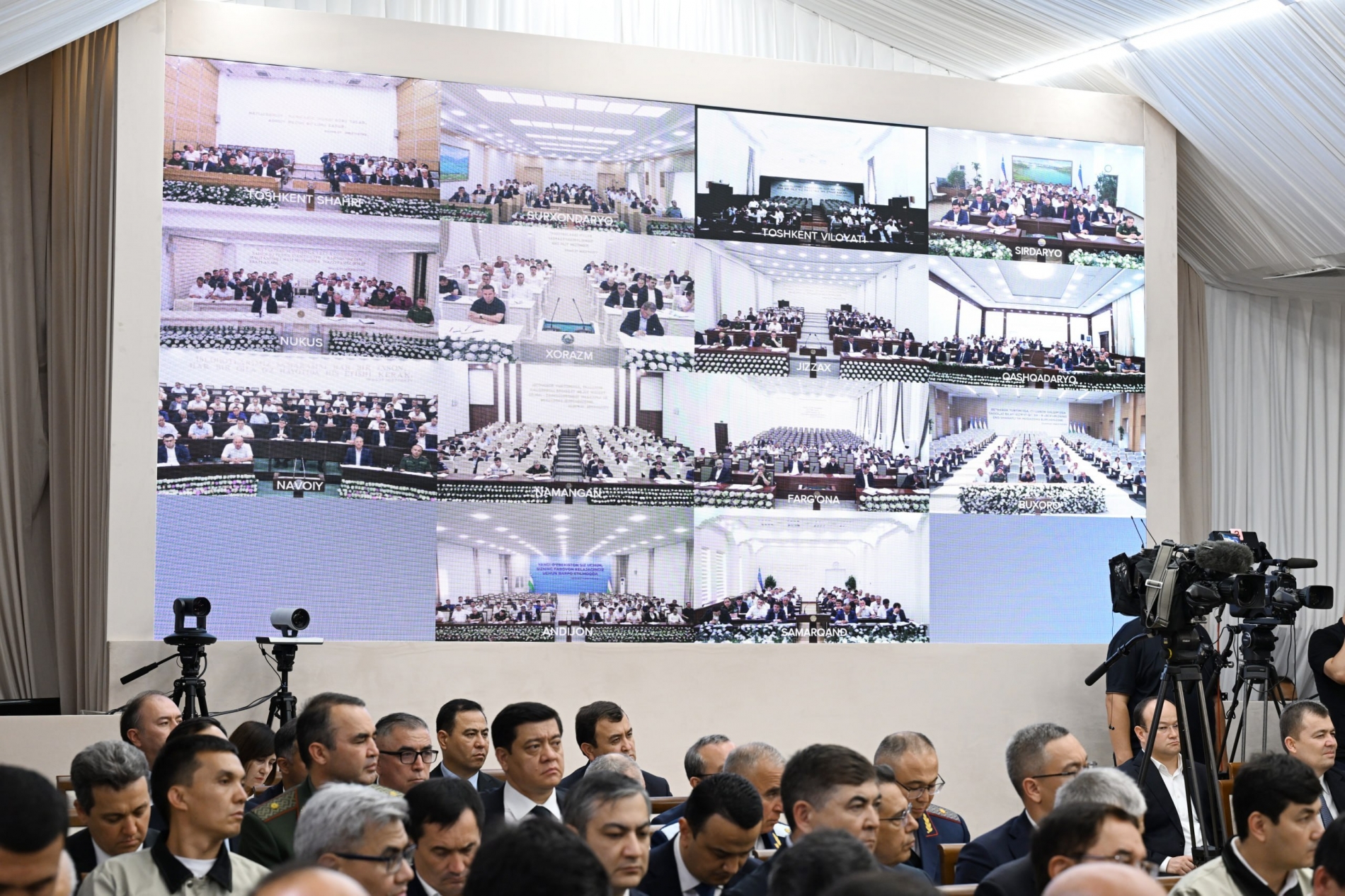
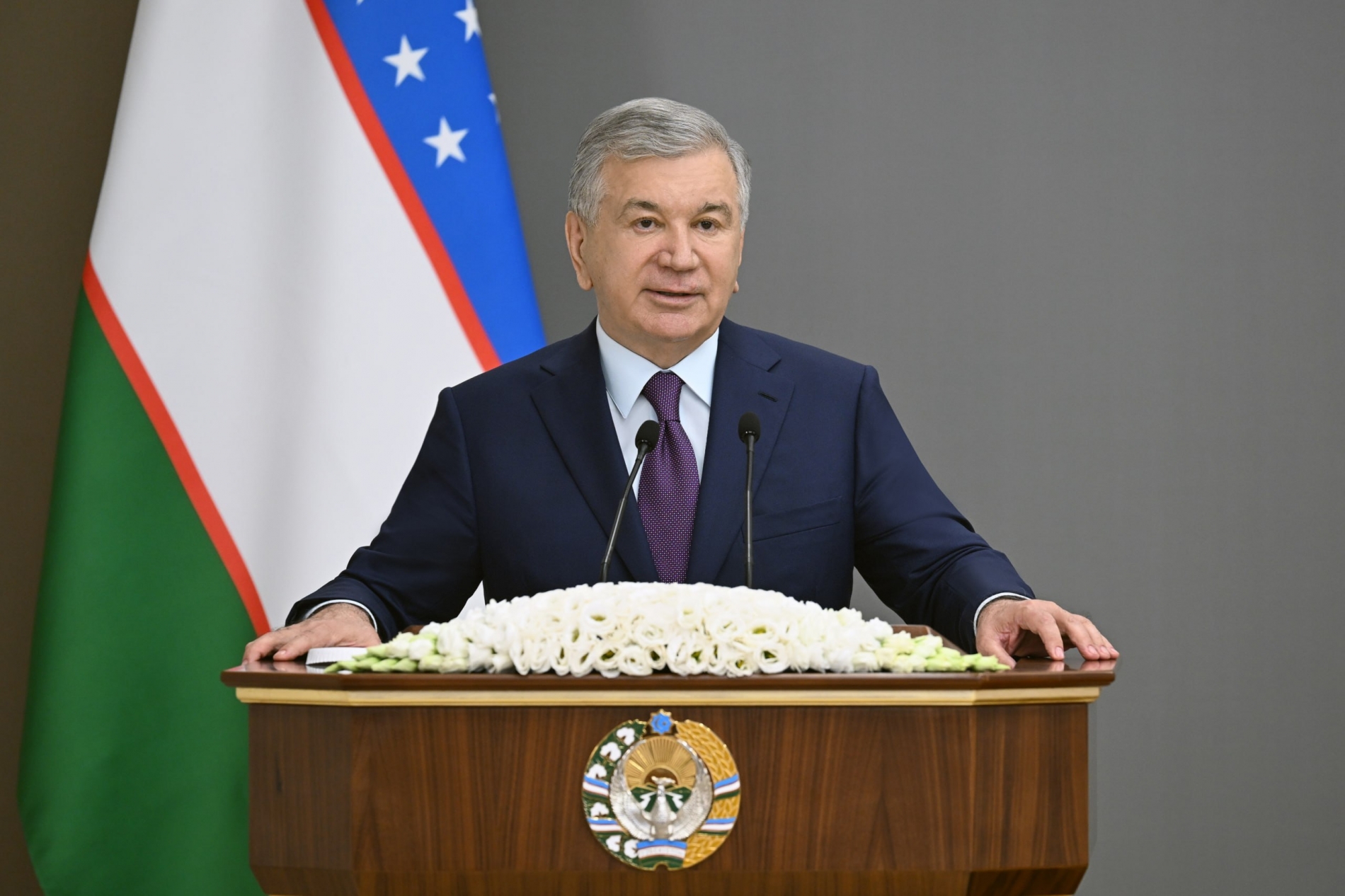
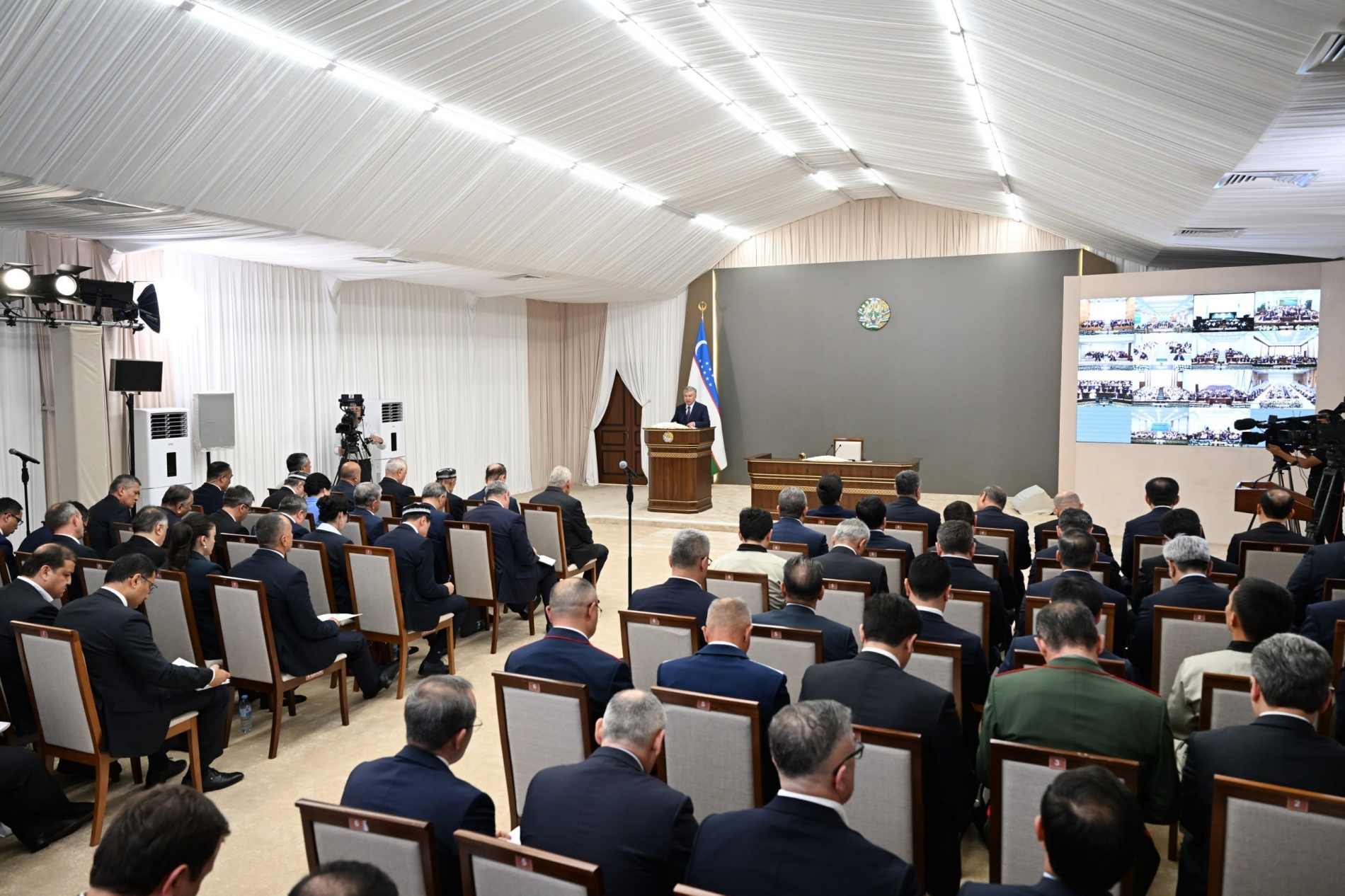
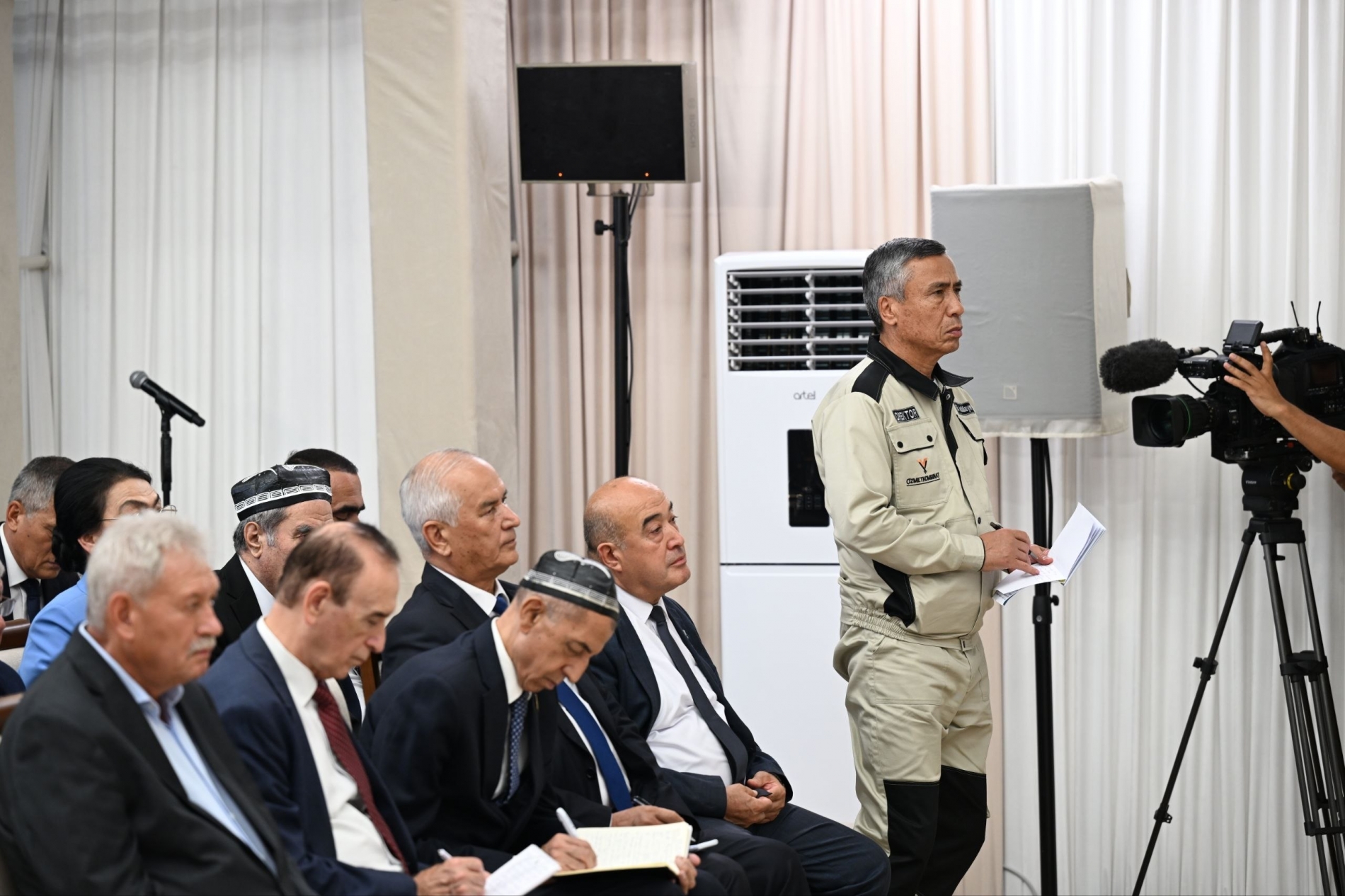
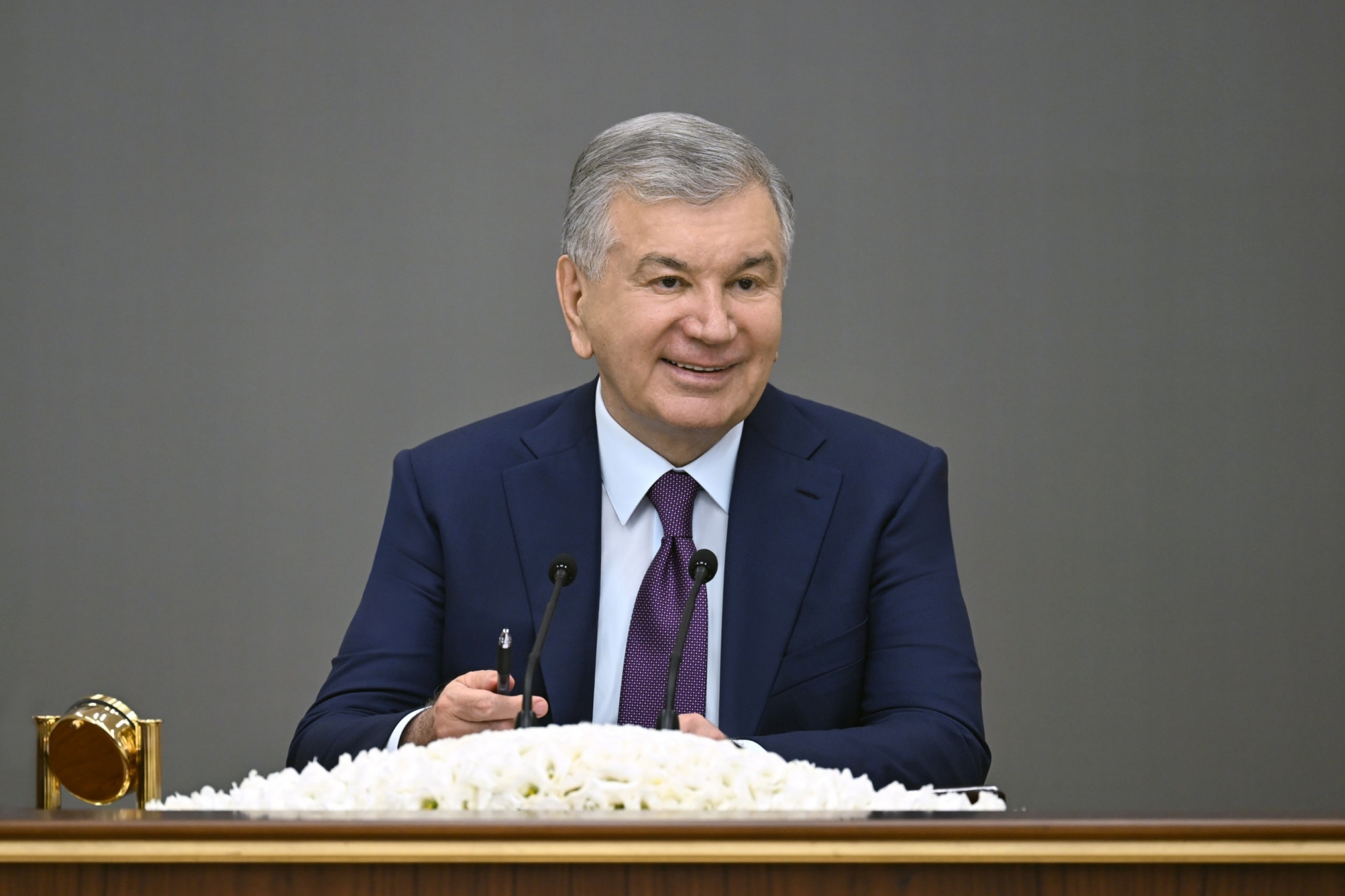
Photo: Presidential press service

The president described ferrous metallurgy as a key supplier of raw materials for industries collectively worth around $50 billion, including construction, building materials manufacturing, automotive production, machinery, energy and electrical engineering.

He stressed that Uzbekistan must shift toward a technology-driven, innovation-based growth model and sustain annual economic growth of at least 8–9% to achieve a $240 billion GDP by 2030.

At the same time, Shavkat Mirziyoyev pointed to the industry's continued dependence on imports, high production and energy costs, and limited progress in digitalization and the adoption of artificial intelligence.
He also noted that strengthening the raw material base of the steel industry and expanding both the range and quality of metal products has become increasingly important amid global conflicts and disruptions to major transport routes.

Demand for steel products continues to rise

Over the past decade, Uzbekistan's demand for steel sheets, rolled steel, pipes and metal structures has tripled to 5.5 million tonnes.

Major projects alone, including the country's nuclear power plant under construction, a fourth copper concentrator and a new copper smelter, will require around 2.5 million tonnes of steel sheets and reinforcing bars.
The president noted that over the next five years Uzbekistan plans to commission new industrial capacities worth $180 billion, implement infrastructure projects valued at $27 billion, and build 800,000 apartments in multi-story residential buildings.

As a result, annual demand for steel products is expected to increase by 50% and exceed 8 million tonnes by 2030. Mirziyoyev instructed officials to prepare detailed calculations showing how this demand will be met.

Digital oversight of scrap metal market

The Bekobod Metallurgical Plant currently produces 40% of its rolled steel products from recycled scrap metal, while the remaining 60% relies on imported raw materials.
Although around 700,000 tonnes of ferrous scrap are delivered to the plant each year, another 500,000 tonnes remain outside official circulation.

To improve transparency, all transactions involving ferrous metals will be monitored in real time through a new electronic platform.

The government will also establish a dedicated project office to promote fair competition, maintain price stability and strengthen oversight in the ferrous metallurgy sector.

The office will conduct daily market analysis, monitor supply and demand for raw materials and finished products, and maintain digital product passports containing information on product quality, origin and physical and chemical composition.

Officials have been instructed to launch the project office within one month and put the E-lom electronic platform into operation from August 1.

Mining projects to expand raw material base

The president said Uzbekistan has reached an agreement with Chinese partners to mine 650,000 tonnes of iron ore annually from the Surun-Ata deposit. Deliveries of iron concentrate from the site to the Bekobod Metallurgical Plant are scheduled to begin in 2027.

The launch of the Tebinbulak deposit within the next three to four years is expected to create annual steel production capacity of 1 million tonnes.

Mirziyoyev also noted that Uzbekistan has signed a memorandum to import 700,000 tonnes of iron ore annually from Tajikistan. He instructed officials to finalize the contract as soon as possible so that supplies can begin next year.

Several private companies have also expressed interest in developing integrated operations covering geological exploration, mining and steel production.

One company in Samarkand region has offered to invest up to $500 million in iron ore extraction if it is granted access to a suitable deposit. Meanwhile, the Bekobod Metallurgical Plant has requested development rights for the Temirkon deposit in the Farish district, which contains an estimated 32 million tonnes of iron resources.

The president instructed officials to create the necessary conditions for these projects.

Additional iron ore reserves are also believed to exist in Tashkent, Samarkand and Surkhandarya regions.

Artificial intelligence to support geological exploration

Mirziyoyev noted that large-scale industrial projects will also increase demand for manganese and ferrosilicon used in steel production.

Officials have been instructed to use artificial intelligence to analyze mineral deposits and, within one month, introduce a geological exploration program aimed at expanding reserves of iron ore and associated minerals required for ore processing.

Regional authorities were also tasked with attracting major private investors to participate in exploration projects.

Around 150 small and medium-sized private companies currently operate in Uzbekistan's metallurgy sector. The president noted that regional administrations have already launched new metal production projects following an earlier meeting on the construction materials industry.

To ensure stable supplies of imported raw materials for private manufacturers, the government will establish a dedicated company responsible for centralized imports. The company will receive $200 million in funding, while imported raw materials will be sold exclusively through the commodity exchange.

Дониёр Тухсинов
Prepared by Дониёр Тухсинов
Follow Kun.uz news on Google News
+ Subscribe

Related News