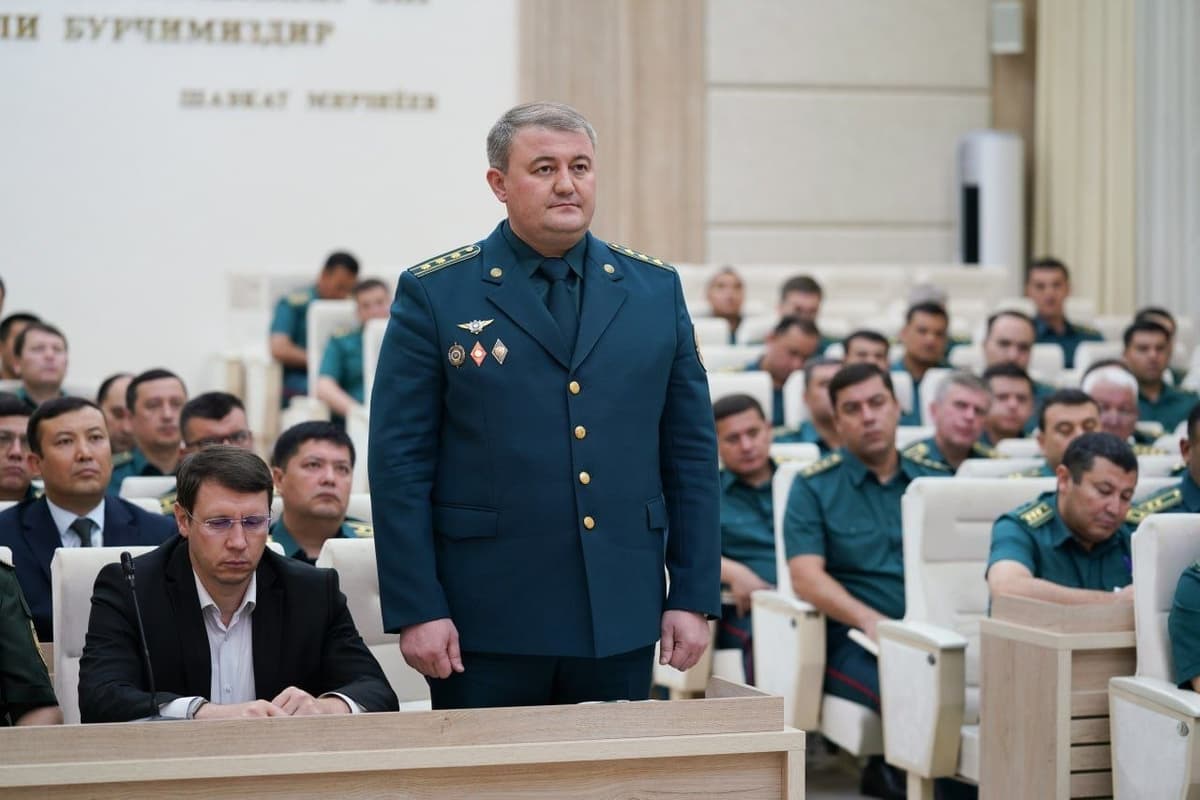
Speaking after a presidential meeting on July 27, the newly appointed chairman of Regional Electric Networks JSC, Sardor Isakulov, said the country's electricity supply system remained in "a very poor state" despite years of investment.
"As the president noted, the sector will be reformed from the ground up – we will effectively rebuild the energy system," Isakulov said in an interview with the Uzbekistan 24 television channel.
According to him, the modernization program will cover the entire electricity distribution network, with targeted measures extending down to individual households.
Officials also acknowledged that many transformers and overhead power lines had been installed without taking actual demand centers into account, resulting in an imbalanced network that often fails to match consumption patterns.
Each region will now be assigned senior executives from energy companies, who will be personally responsible for districts with high levels of overdue payments and frequent power outages.
The government has instructed officials to organize work on a site-by-site basis, monitoring every transformer in the electricity network and every gas distribution point in the gas supply system.
Isakulov said the priority is to complete key preparations for the autumn and winter season by September.
"Four months remain before winter. During this period, a great deal can be accomplished. Every manager must address not only the consequences of outages but also their root causes so that such disruptions do not recur," he said.
Officials ordered to spend more time in the field
Energy Minister Sherzod Khodjayev said employees across the sector should spend 90% of their working time directly in neighborhoods, regions and infrastructure facilities rather than in offices.
He said the ministry's immediate task was to prepare accurate technical assessments to ensure reliable electricity supplies, support economic growth and improve public satisfaction.
Within the next three months, the Ministry of Energy is expected to submit a comprehensive reform proposal for the sector.
Khodjayev also said the government would accelerate the introduction of market-based principles, including competitive procurement mechanisms beginning with the liquefied gas market.
Among the ministry's priorities are upgrading electricity networks, reducing overdue payments and cutting technical losses.
Digitalization and workforce reform
The reform package also places strong emphasis on digitalization.
Beyond automating billing systems and electricity and gas meters, authorities plan to fully digitize staff management, including task assignment, reporting, daily work records and employee performance assessment.
The government also intends to reform workforce training. Students specializing in energy-related fields will be enrolled more widely in dual education programs developed jointly by universities and energy companies.
A vocational college in the Republic of Karakalpakstan, Bukhara region and Navoi region will adopt the model already implemented in Shirin, Syrdarya region. Under this approach, a major foreign investor finances laboratories and training facilities, while educational programs are redesigned to meet international standards.
Khodjayev said the reforms should ultimately increase the energy sector's contribution to the economy and improve the quality of services provided to consumers.
Leadership changes follow presidential criticism
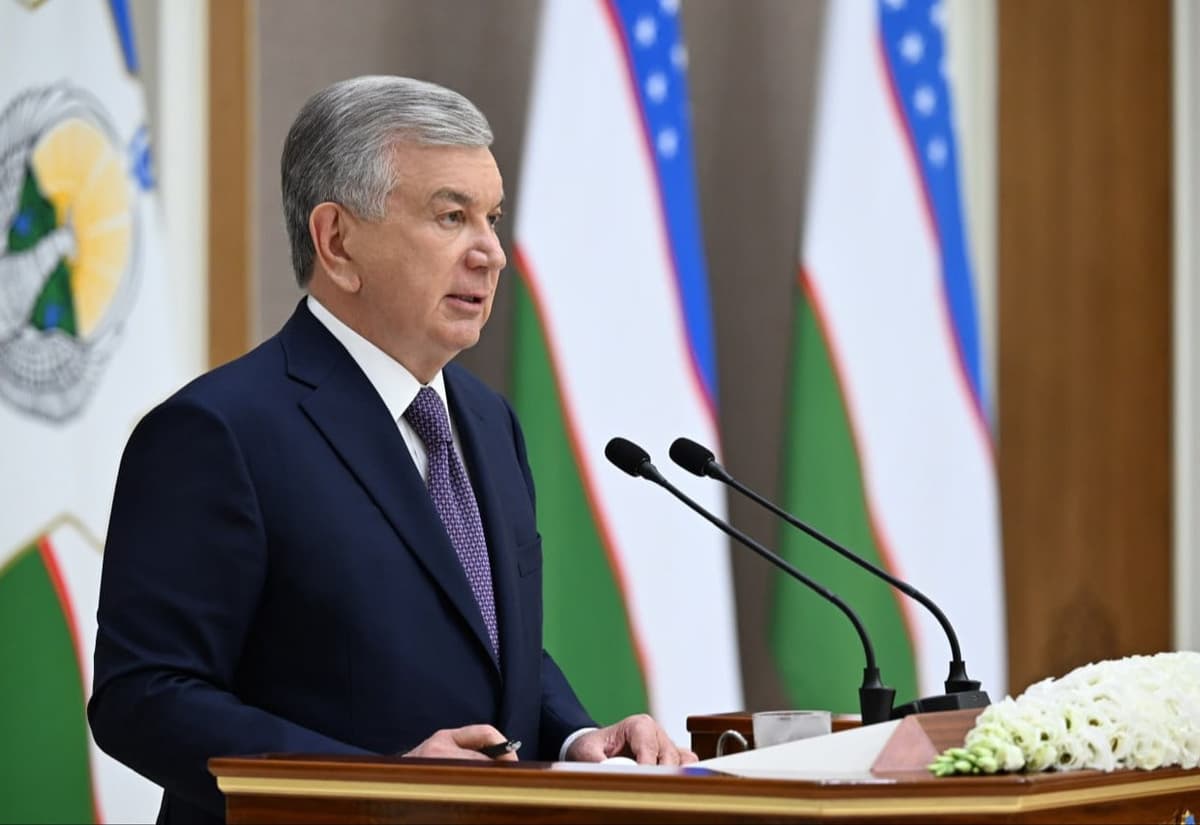
During the July 27 meeting, President Mirziyoyev criticized the management of the energy sector, noting that despite UZS 30 trillion invested in recent years to modernize power grids, substations and equipment, the country continues to experience accidents and prolonged electricity outages.
He also pointed to electricity network losses of 17.2%, equivalent to 4.8 billion kilowatt-hours in the first half of the year, as well as the failure of 300,000 gas meters and 234,000 electricity meters to transmit data to automated monitoring systems.
Following the meeting, the heads of the Ministry of Energy and Regional Electric Networks JSC were replaced, while the chief executives of several major energy companies were placed on probation until the end of the year.
A pilot management system based on monitoring every neighborhood, transformer and gas distribution point will first be introduced in Yangiyul district before being expanded nationwide.