
According to IATA, Uzbekistan's scheduled flight network has nearly doubled over the last ten years, expanding from 109 routes in 2015 to 206 routes in 2025 – an 89 percent increase. This geographical expansion has driven domestic competition, with the number of airlines operating in the country increasing threefold, from 16 to 47 carriers.
The report notes that 57 percent of the routes active today are entirely new networks that did not exist in 2015. Out of the 11 airports operating regular commercial flights in Uzbekistan, nine are regional facilities serving fewer than 1 million passengers annually. Medium–haul flights spanning distances between 1500–4000 kilometers comprise the bulk of the network at 63 percent. While competition is intensifying, a market concentration remains; only 10 percent of routes feature four or more competing airlines, while half of the existing networks are currently served by a single carrier.
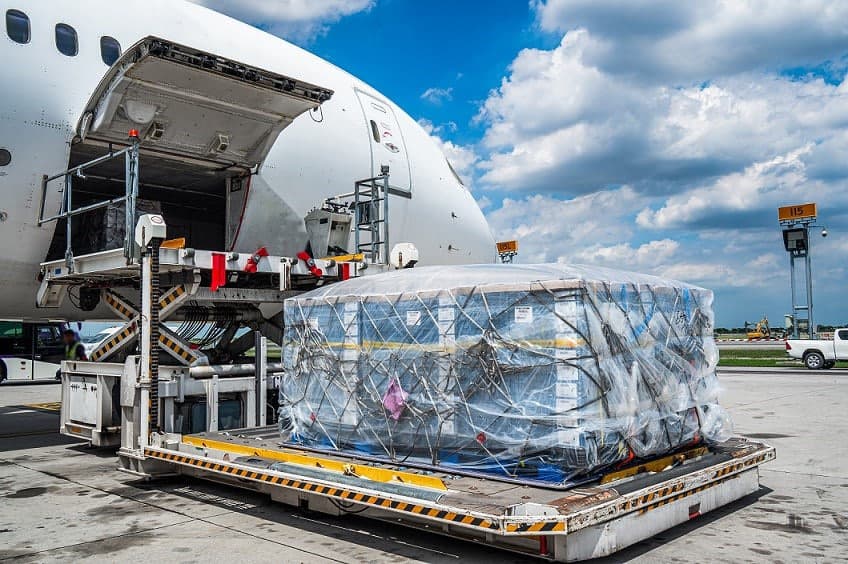
While passenger numbers have grown steadily, the country's air cargo sector has experienced an unprecedented surge. Between 2019–2024, Uzbekistan's air freight volume grew by 182 percent, marking the highest growth rate in Central Asia and outpacing neighboring Kyrgyzstan. To put this into a global perspective, Hong Kong – the world's largest air cargo hub – saw almost no growth during the same period, while Europe's primary hub in Frankfurt experienced a 5 percent decline in cargo volumes.
IATA analysts attribute this surge to substantial infrastructure investments and shifting global geopolitical dynamics. With the closure of certain national airspaces, international carriers have rerouted their flights, directly benefiting Central Asia and positioning Uzbekistan as an advantageous corridor.
Direct transit freight – cargo that stops only for technical refueling and maintenance without customs clearance – still constitutes roughly 65 percent of the region's air cargo traffic. However, outbound cargo volumes originating from Uzbekistan and neighboring states have risen sharply since 2024. This shift indicates that local airports are evolving from mere technical landing points into active freight hubs that consolidate and distribute large–scale cargo shipments moving between China and Europe. Industry economists emphasize that the steady development of both domestic and international freight flows alongside transit traffic will strengthen the country's long–term logistics ecosystem.