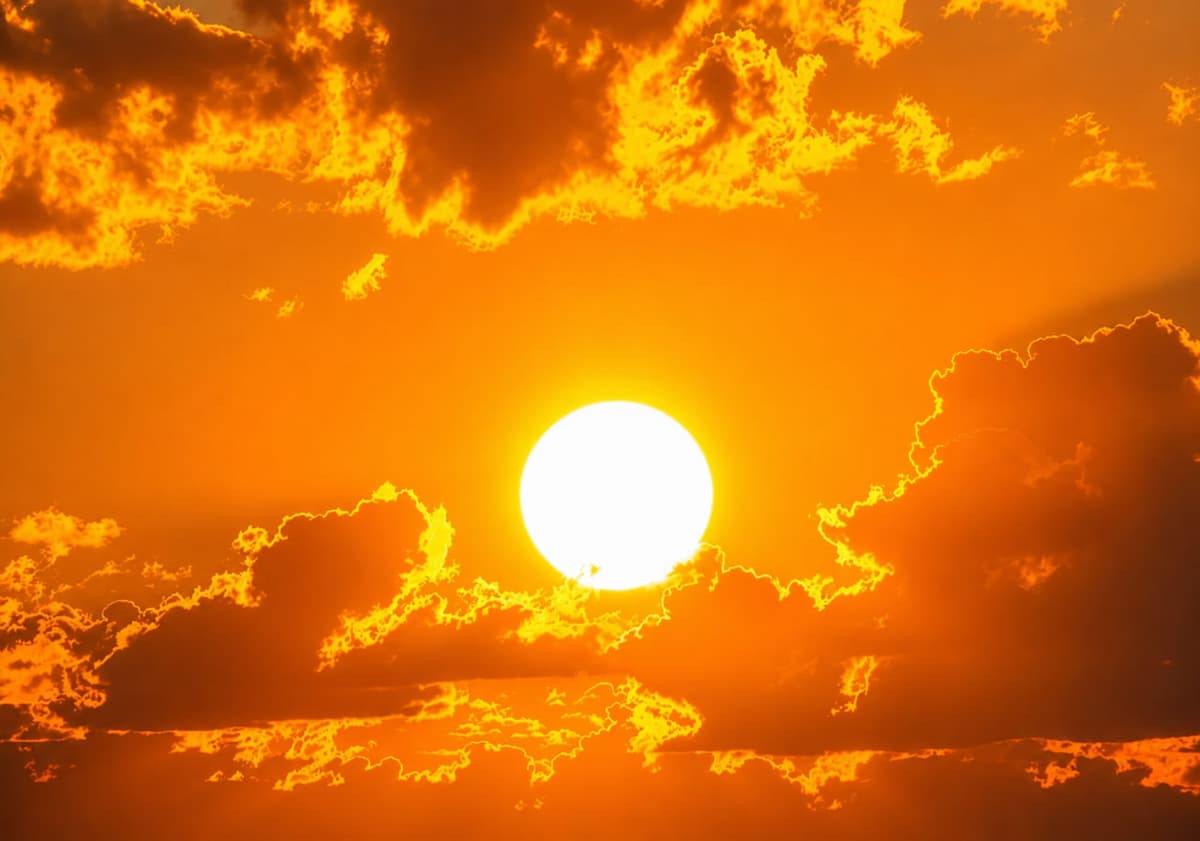
According to Uzhydromet, daytime temperatures are forecast to reach +41°C to +43°C in most parts of the country, while northern, southern and desert regions could see highs of +44°C to +46°C.
The ministry warned that prolonged exposure to extreme heat can lead to overheating, dehydration, fluctuations in blood pressure, increased strain on the cardiovascular system and heatstroke. It urged the public, particularly those in high-risk groups, to strictly follow preventive measures.
People considered especially vulnerable include adults over the age of 65, infants and young children, pregnant women, and individuals with cardiovascular disease, diabetes, kidney disease, respiratory illnesses or other chronic conditions. Those taking medication for high blood pressure or heart disease, diuretics, antihistamines or psychotropic drugs are also at greater risk.
According to the ministry, these groups may experience a delayed sensation of thirst, reduced ability to regulate body temperature or worsening of underlying medical conditions. It advised family members and caregivers to regularly check on their well-being.
Health officials also stressed the importance of staying hydrated. Since the body loses large amounts of fluid and minerals through sweating, people should drink water regularly throughout the day without waiting until they feel thirsty. Healthy adults are generally advised to consume around 2–3 liters of fluids daily, while people with heart or kidney disease or those prone to swelling should follow their doctor's recommendations.
The ministry recommends wearing loose-fitting, light-colored clothing made from breathable natural fabrics such as cotton or linen. When outdoors, people are advised to wear wide-brimmed hats, sunglasses and, where appropriate, sunscreen.
To reduce the strain on the body, the ministry also recommends avoiding heavy, fatty, fried and spicy foods. Instead, it advises eating vegetable salads, light soups, yogurt, cottage cheese, eggs, chicken or fish, as well as fresh fruit. Eating smaller meals five or six times a day is also recommended.
People are urged to avoid prolonged exposure to direct sunlight between 11:00 and 17:00 whenever possible and to schedule outdoor activities for the cooler morning or evening hours. If going outside is unavoidable, they should walk in shaded areas, wear head coverings, carry drinking water and take small sips every 15–20 minutes.