
Over recent years, Uzbekistan's defense architecture has undergone targeted restructuring aimed at reinforcing the security of its national airspace. The armed forces have steadily integrated advanced aviation technology, modern air defense hardware, and unmanned aerial vehicles into their inventory. This technical modernization has been paired with a significant increase in practical flight training hours to elevate the combat readiness of active aviation units.
A primary focus of the current strategy centers on building a professional officer corps trained to international benchmarks. This educational shift is centered at the Military Aviation Institute of the University of Military Security and Defense in Karshi. The campus has been equipped with advanced flight simulators, modeling software, and interactive training tools. To bridge the gap between classroom theory and real-world application, cadets participate in a structured mentor-student program, refining their practical flight skills directly at the Khonobod airfield under the guidance of veteran pilots and engineers.
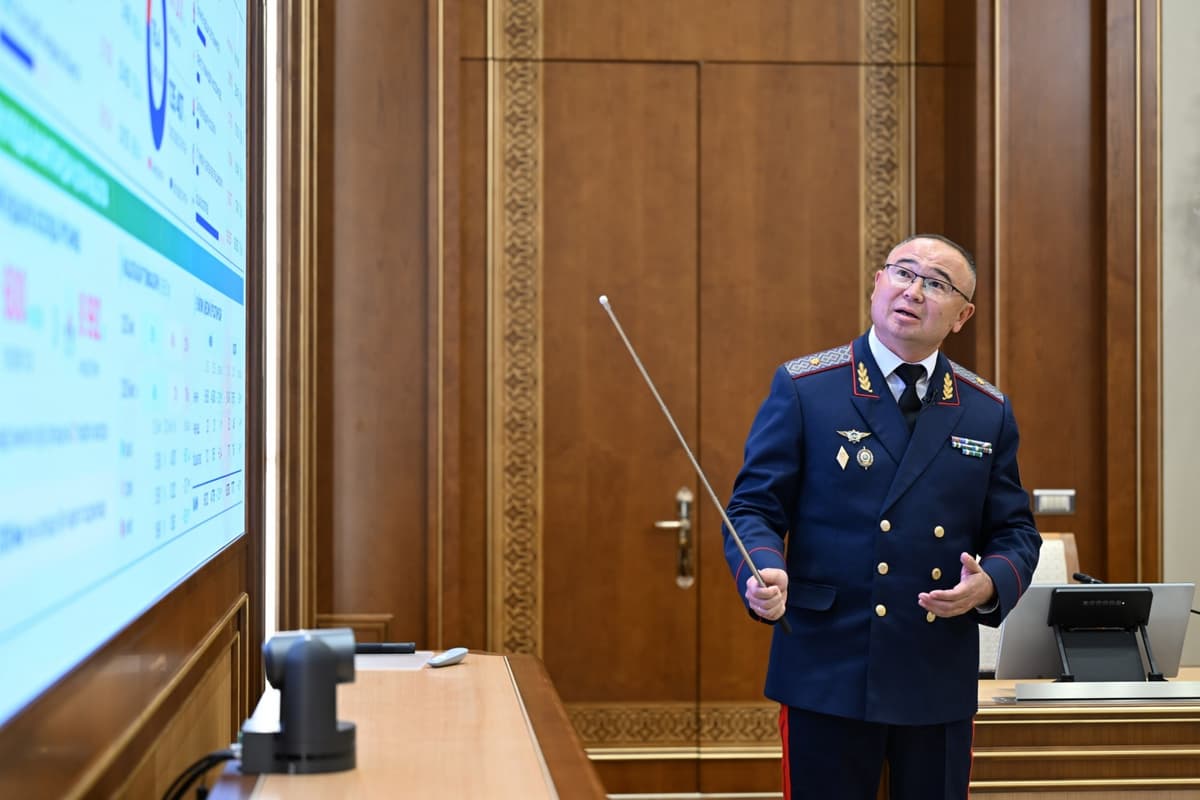
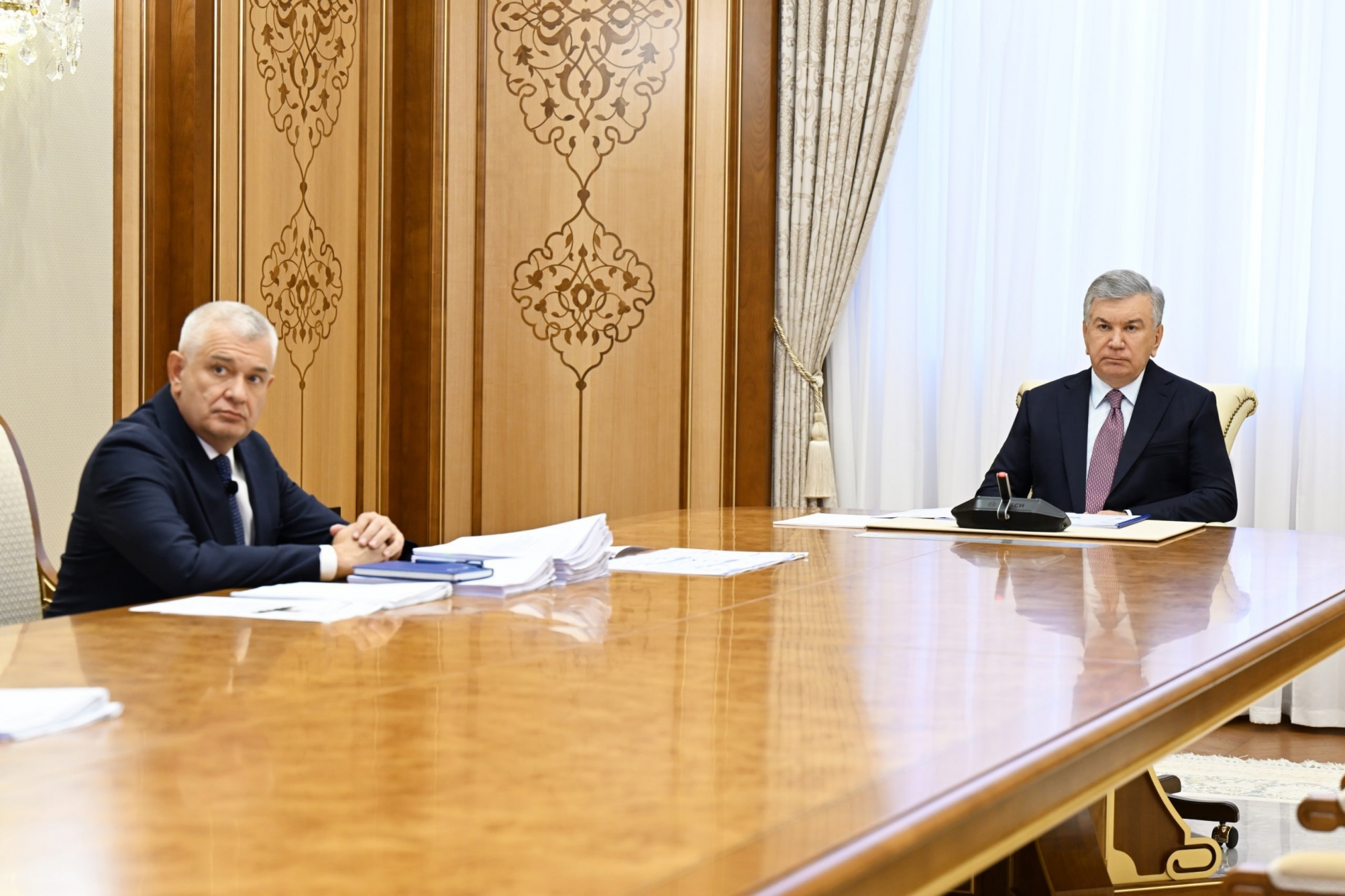
The strategic proposals presented to the president detail an overhaul of the current airspace protection infrastructure and a reorganization of tactical aviation units to better align with modern combat requirements. These changes are designed to improve the mobility, operational speed, and overall capacity of the Air Force to counter evolving regional security threats.
The presentation also mapped out the implementation phase of a military medicine agreement signed between the governments of Uzbekistan and Turkey in January. The bilateral framework establishes a comprehensive training pipeline for military medical personnel. Uzbek specialists will undergo advanced training, master’s programs, and postgraduate studies in Turkey, focusing on general medicine, dentistry, pharmaceuticals, preventative healthcare, and advanced nursing.
The defense partnership with Turkey will also extend into deep scientific cooperation. Plans include joint medical research, academic exchanges for professors and students, bilateral field exercises, and collaborative patient care. The two nations also intend to work together on developing joint medical facilities and holding regular scientific congresses.
On the administrative front, the Ministry of Defense presented plans to completely digitalize conscription records and streamline the operations of medical drafting boards. This digital transition aims to eliminate bureaucratic delays, maximize transparency, and simplify the enlistment process for citizens.